Search results for "Murasaki Shikibu"
Items in stock - 4 working days delivery time

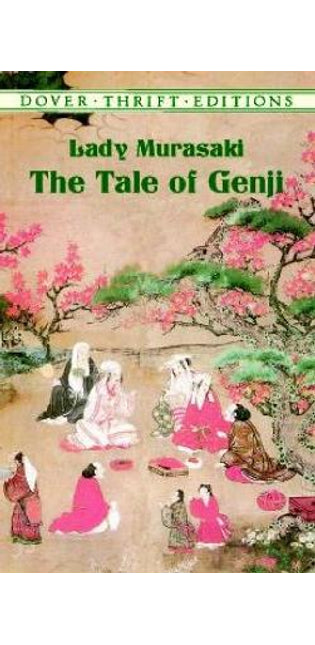
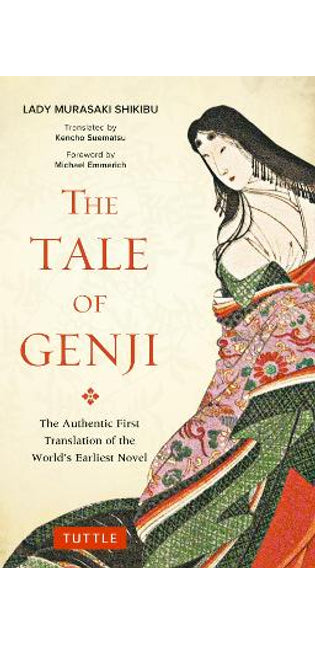
Tale of Genji
Written centuries before the time of Shakespeare and even Chaucer, The Tale of Genji marks the birth of the novel and after more than a millennium, this seminal work continues to enchant readers throughout the world. Lady Murasaki Shikibu and her tale's hero, Prince Genji, have had an unmatched influence on Japanese culture. Prince Genji manifests what was to become an image of the ideal Heian era courtier: gentle and passionate. Genji is also a master poet, dancer, musician and painter. The Tale of Genji follows Prince Genji through his many loves, and varied passions. This book has influenced not only generations of courtiers and samurai of the distant past, but artists and painters even in modern times episodes in the tale have been incorporated into the design of kimonos and handicrafts, and the four-line poems called waka which dance throughout this work have earned it a place as a classic text in the study of poetry. This version by Kencho Suematsu was the first-ever translation in English. Condensed, it's a quarter length of the unabridged text, making it perfect for readers with limited time. Not speaking is the wiser part, and words are sometimes vain, but to completely close the heart in silence, gives me pain. Prince Genji, in The Tale of Genji
R 270.00
Items we need to order for you
Murasaki Shikibu: The Tale of Genji
Murasaki Shikibu's The Tale of Genji, written in Japan in the early eleventh century, is acknowledged to be one of Japan's greatest literary achievements, and sometimes thought of as the world's first novel. It is also one of the earliest major works to be written by a woman. This introduction to the Genji sketches the cultural background, offers detailed analysis of the text, discusses matters of language and style and ends by tracing the history of its reception through nine centuries of cultural change. This book will be useful for survey courses in Japanese and World Literature. Because The Tale of Genji is so long, it is often not possible for students to read it in its entirety and this book will therefore be used not only as an introduction, but also as a guide through the difficult and convoluted plot.
R 2,367.06
Murasaki Shikibu's The Tale of Genji
Murasaki Shikibu's The Tale of Genji is variously read as a work of feminist protest, the world's first psychological novel and even as a post-modern masterpiece. Commonly seen as Japan's greatest literary work, its literary, cultural, and historical significance has been thoroughly acknowledged. As a work focused on the complexities of Japanese court life in the Heian period, however, the The Tale of Genji has never before been the subject ofphilosophical investigation. The essays in this volume address this oversight, arguing that the work contains much that lends itself to philosophical analysis. The authors of this volume demonstrate that The Tale of Genji confronts universal themes such as the nature and exercise of political power, freedom, individual autonomy and agency, renunciation, gender, and self-expression; it raises deep concerns about aesthetics and the role of art, causality, the relation of man to nature, memory, and death itself. Although Murasaki Shikibu may not express these themes in the text as explicitly philosophical problems, the complex psychologicaltensions she describes and her observations about human conduct reveal an underlying framework of philosophical assumptions about the world of the novel that have implications for how we understand these concerns beyond the world of Genji. Each essay in this collection reveals a part of this framework, situatingindividual themes within larger philosophical and historical contexts. In doing so, the essays both challenge prevailing views of the novel and each other, offering a range of philosophical interpretations of the text and emphasizing the The Tale of Genji's place as a masterful work of literature with broad philosophical significance.
R 1,392.71
Murasaki Shikibu: The Tale of Genji
Murasaki Shikibu's The Tale of Genji, written in Japan in the early eleventh century, is acknowledged to be one of Japan's greatest literary achievements, and sometimes thought of as the world's first novel. It is also one of the earliest major works to be written by a woman. This introduction to the Genji sketches the cultural background, offers detailed analysis of the text, discusses matters of language and style and ends by tracing the history of its reception through nine centuries of cultural change. This book will be useful for survey courses in Japanese and World Literature. Because The Tale of Genji is so long, it is often not possible for students to read it in its entirety and this book will therefore be used not only as an introduction, but also as a guide through the difficult and convoluted plot.
R 1,303.22
Tale of Genji
"What Waley did create is literary art of extraordinary beauty that brings to life in English the world Murasaki Shikibu imagined. The beauty of his art has not dimmed, but like the original text itself retains the power to move and enlighten."--Dennis Washburn, from his foreword Centuries before Shakespeare, Murasaki Shikibu's The Tale of Genji was already acknowledged as a classic of Japanese literature. Over the past century, this book has gained worldwide acceptance as not only the world's first novel but as one of the greatest works of literature of all time.The hero of the tale, Prince Genji, is a shining example of the Heian-era ideal man--accomplished in poetry, dance, music, painting, and, not least of all to the novel's many plots, romance. The Tale of Genji and the characters and world it depicts have influenced Japanese culture to its very core. This celebrated translation by Arthur Waley gives Western readers a very genuine feel for the tone of this beloved classic.This edition contains the complete Waley translation of all six books of The Tale of Genji and also contains a new foreword by Dennis Washburn with key insights into both the book and the importance of this translation for modern readers.
R 673.00
R 696.12
R 391.00
R 542.00
R 1,256.48
R 481.00
R 885.36
R 1,123.00
R 602.00
Tale of Genji
About Dennis Washburn’s translation “Washburn’s version of Murasaki Shikibu’s masterpiece is lucid and engaging, irresistibly drawing the reader further and further into the story and the exquisite world it creates for us of Japan’s Heian court. A fresh and invaluable Tale of Genji for those of us reuniting with a familiar friend and those encountering it for the very first time. ” —VALERIE HENITIUK, author of Worlding Sei Shonagon: The Pillow Book in Translation
R 357.00
R 884.76
R 541.00
R 1,060.56
R 602.00
R 651.00
R 600.00
R 659.00
Tale of Genji
Written in the eleventh century, this exquisite portrait of courtly life in medieval Japan is widely celebrated as the world's first novel - and is certainly one of its finest. Genji, the Shining Prince, son of an emperor, is a passionate character whose tempestuous nature, family circumstances, love affairs, alliances, and shifting political fortunes form the core of this magnificent epic. Royall Tyler's superb translation is detailed, poetic, and true to the Japanese original while allowing the English reader to appreciate its timeless beauty. In this deftly abridged edition, Tyler focuses on the early chapters, which vividly evoke Genji as a young man and leave him at his first moment of triumph.
R 427.00
R 643.00
R 685.00
R 589.00
Diary of Lady Murasaki
The Diary recorded by Lady Murasaki (c. 973-c. 1020), author of The Tale of Genji, is an intimate picture of her life as tutor and companion to the young Empress Shoshi. Told in a series of vignettes, it offers revealing glimpses of the Japanese imperial palace - the auspicious birth of a prince, rivalries between the Emperor's consorts, with sharp criticism of Murasaki's fellow ladies-in-waiting and drunken courtiers, and telling remarks about the timid Empress and her powerful father, Michinaga. The Diary is also a work of great subtlety and intense personal reflection, as Murasaki makes penetrating insights into human psychology - her pragmatic observations always balanced by an exquisite and pensive melancholy.
R 360.00
R 271.00
R 1,123.00
R 581.00
R 529.00
R 719.00
R 863.00
R 180.00
R 695.37
R 408.49
Diaries of Court Ladies of Old Japan
The Heian period (794-1186AD) of Japanese history - the setting of The Tale of Genji - was an era of unsurpassed refinement in art and literature, in which women played a unique role. Dominated by the mighty Fujiwara clan, the Japanese court was the bright centre of a world in which rare and exquisite taste in poetry, art, calligraphy, dress, incense, colour, even the selection of gifts, was cultivated to an amazing degree. This gossamer veil of beauty masked another reality of political intrigue and passionate rivalries which intensified the heady atmosphere of a court in which flirtations and love affairs were endemic. Cultivated and artistic women held a privileged position at court, and they perfected the literary genre of diaries that combined subtlety, strength and starkness in their depictions of life in this enclosed and dream-like world. These diaries are among the jewels of Japanese literature and three are presented here - The Sarashina Diary, the Diary of Izumi Shikibu and the Diary of Murasaki Shikibu - with an introduction by the poet Amy Lowell, an early admirer of Japanese literature.
R 2,795.12
R 669.00
R 886.96
R 847.00
R 822.00
R 1,052.49
R 580.00
Tale Of Genji
This is the prose masterpiece of the Heian era of the 10th and 11th centuries, which is recognized as a great period in Japanese literature. It is an account of the intricate, exquisite, highly ordered court culture which made such a masterpiece possible.
R 928.00
R 381.00