


Approx. 20 - 30 Business Days

R 303.00
R 303.00
R 303.00
R 909.00
R 243.00
R 303.00
R 656.00
R 711.00
R 182.00
R 758.00
R 379.00
R 182.00
R 342.00
R 871.00
R 1,291.00
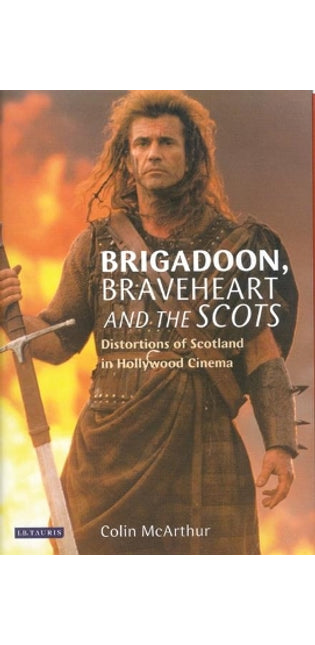
"Brigadoon", "Braveheart" and the Scots
The films "Brigadoon" and "Braveheart" have an enormous resonance both for Scots throughout the world and the wide audience of non-Scots for whom such films provide general impressions of "Scottishness". This provocative book discusses the films' representations of Scotland and the Scots, looking at that cluster of images and stories whereby Scotland is (mis)recognized and yet often comes to be "known". Colin McArthur explores "Brigadoon" and documents the contempt the film has elicited, particularly from the Scots intelligentsia. He succumbs to "Brigadoon's" charm, but finds no such mitigating features in "Braveheart". Tracing the film's appropriation by political, touristic and sporting figures, he argues that, far from being "about" Scottish history, it is primarily "about" Hollywood and its cinematic traditions. He looks at the way film distorts history and examines "Braveheart's" sinister appeal to the proto-fascist psyche.
R 5,109.00
R 514.00
R 807.00
R 1,194.00
R 1,065.00
R 677.00
R 758.00
R 357.00
R 839.00
R 1,259.00
R 677.00
R 1,065.00
R 455.00
R 422.00
R 1,033.00
R 613.00
R 194.00
R 1,551.00
R 182.00
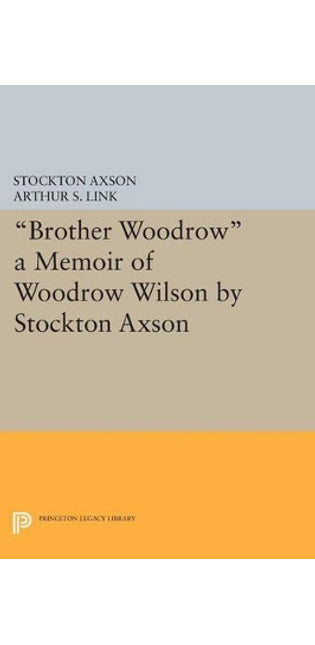
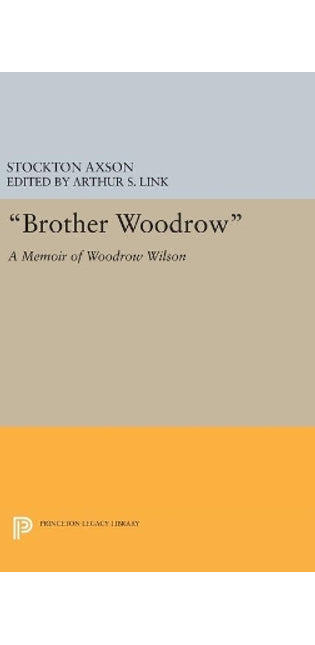
"Brother Woodrow"
This memoir of Woodrow Wilson is a long-neglected treasure, full of the candid and perceptive observations of Wilson's brother-in-law and close friend, Stockton Axson. A charming and talented scholar of English literature, Axson became one of the few people in whom the reticent Wilson confided freely. Axson and Wilson met in 1884, when Wilson was courting Axson's sister Ellen, while Axson was still a school boy. The friendship of the two men ended only with the president's death in 1924. Axson's fondness for his mentor, "Brother Woodrow," pervades this account, but he is frank in his analysis of Wilson's flaws. As one of only a few personal memoirs of Wilson, this book offers a uniquely intimate view of the "human side" of the introverted president--and a sensitive evocation of the social life of a bygone era. Axson begins with memories of Wilson's father and of Wilson's life as a young man, including his engagement and marriage to Ellen Axson and his early teaching posts. Wilson taught for twelve years at Princeton University before his accession to its presidency, and Axson also taught there during this period.After Wilson began his stormy career as president of Princeton, Axson's bachelor quarters were often a meeting place for the "Wilson faction." His lucid analysis of Wilson's successes and failures as Princeton's president is one of the highlights of the book--and probably the best record of these years of Wilson's life. The book ends with a look behind the scenes of Wilson's career as governor of New Jersey and president of the United States, and an analysis of the growing complexity of his personality. "It is Uncle Joseph [Wilson's father] in him," observed one relative of Wilson's seeming rigidity. From the standpoint of a loving family member, Axson offers a penetrating but sympathetic report on how Wilson changed as he bore the terrible burdens of World War I and its aftermath. Originally published in 1993. The Princeton Legacy Library uses the latest print-on-demand technology to again make available previously out-of-print books from the distinguished backlist of Princeton University Press. These editions preserve the original texts of these important books while presenting them in durable paperback and hardcover editions.The goal of the Princeton Legacy Library is to vastly increase access to the rich scholarly heritage found in the thousands of books published by Princeton University Press since its founding in 1905.
R 2,111.00
"Brother Woodrow"
This memoir of Woodrow Wilson is a long-neglected treasure, full of the candid and perceptive observations of Wilson's brother-in-law and close friend, Stockton Axson. A charming and talented scholar of English literature, Axson became one of the few people in whom the reticent Wilson confided freely. Axson and Wilson met in 1884, when Wilson was courting Axson's sister Ellen, while Axson was still a school boy. The friendship of the two men ended only with the president's death in 1924. Axson's fondness for his mentor, "Brother Woodrow," pervades this account, but he is frank in his analysis of Wilson's flaws. As one of only a few personal memoirs of Wilson, this book offers a uniquely intimate view of the "human side" of the introverted president--and a sensitive evocation of the social life of a bygone era. Axson begins with memories of Wilson's father and of Wilson's life as a young man, including his engagement and marriage to Ellen Axson and his early teaching posts. Wilson taught for twelve years at Princeton University before his accession to its presidency, and Axson also taught there during this period.After Wilson began his stormy career as president of Princeton, Axson's bachelor quarters were often a meeting place for the "Wilson faction." His lucid analysis of Wilson's successes and failures as Princeton's president is one of the highlights of the book--and probably the best record of these years of Wilson's life. The book ends with a look behind the scenes of Wilson's career as governor of New Jersey and president of the United States, and an analysis of the growing complexity of his personality. "It is Uncle Joseph [Wilson's father] in him," observed one relative of Wilson's seeming rigidity. From the standpoint of a loving family member, Axson offers a penetrating but sympathetic report on how Wilson changed as he bore the terrible burdens of World War I and its aftermath. Originally published in 1993. The Princeton Legacy Library uses the latest print-on-demand technology to again make available previously out-of-print books from the distinguished backlist of Princeton University Press. These editions preserve the original texts of these important books while presenting them in durable paperback and hardcover editions.The goal of the Princeton Legacy Library is to vastly increase access to the rich scholarly heritage found in the thousands of books published by Princeton University Press since its founding in 1905.
R 5,257.00
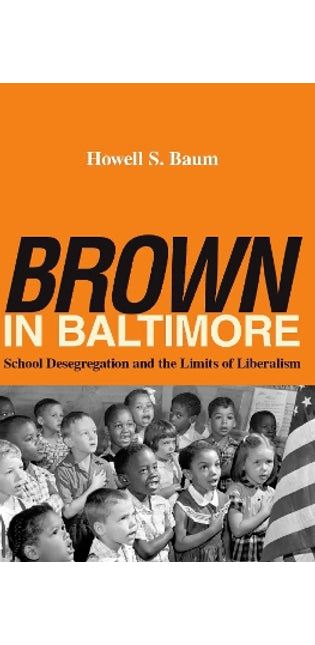
"Brown" in Baltimore
In the first book to present the history of Baltimore school desegregation, Howell S. Baum shows how good intentions got stuck on what Gunnar Myrdal called the "American Dilemma." Immediately after the 1954 Brown v. Board of Education decision, the city's liberal school board voted to desegregate and adopted a free choice policy that made integration voluntary.Baltimore's school desegregation proceeded peacefully, without the resistance or violence that occurred elsewhere. However, few whites chose to attend school with blacks, and after a few years of modest desegregation, schools resegregated and became increasingly segregated. The school board never changed its policy. Black leaders had urged the board to adopt free choice and, despite the limited desegregation, continued to support the policy and never sued the board to do anything else.Baum finds that American liberalism is the key to explaining how this happened. Myrdal observed that many whites believed in equality in the abstract but considered blacks inferior and treated them unequally. School officials were classical liberals who saw the world in terms of individuals, not races. They adopted a desegregation policy that explicitly ignored students' race and asserted that all students were equal in freedom to choose schools, while their policy let whites who disliked blacks avoid integration. School officials' liberal thinking hindered them from understanding or talking about the city's history of racial segregation, continuing barriers to desegregation, and realistic change strategies.From the classroom to city hall, Baum examines how Baltimore's distinct identity as a border city between North and South shaped local conversations about the national conflict over race and equality. The city's history of wrestling with the legacy of Brown reveals Americans' preferred way of dealing with racial issues: not talking about race. This avoidance, Baum concludes, allows segregation to continue.
R 4,234.00
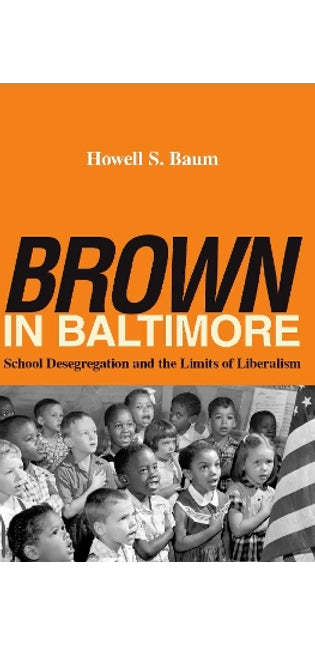
"Brown" in Baltimore
In the first book to present the history of Baltimore school desegregation, Howell S. Baum shows how good intentions got stuck on what Gunnar Myrdal called the "American Dilemma." Immediately after the 1954 Brown v. Board of Education decision, the city's liberal school board voted to desegregate and adopted a free choice policy that made integration voluntary.Baltimore's school desegregation proceeded peacefully, without the resistance or violence that occurred elsewhere. However, few whites chose to attend school with blacks, and after a few years of modest desegregation, schools resegregated and became increasingly segregated. The school board never changed its policy. Black leaders had urged the board to adopt free choice and, despite the limited desegregation, continued to support the policy and never sued the board to do anything else.Baum finds that American liberalism is the key to explaining how this happened. Myrdal observed that many whites believed in equality in the abstract but considered blacks inferior and treated them unequally. School officials were classical liberals who saw the world in terms of individuals, not races. They adopted a desegregation policy that explicitly ignored students' race and asserted that all students were equal in freedom to choose schools, while their policy let whites who disliked blacks avoid integration. School officials' liberal thinking hindered them from understanding or talking about the city's history of racial segregation, continuing barriers to desegregation, and realistic change strategies.From the classroom to city hall, Baum examines how Baltimore's distinct identity as a border city between North and South shaped local conversations about the national conflict over race and equality. The city's history of wrestling with the legacy of Brown reveals Americans' preferred way of dealing with racial issues: not talking about race. This avoidance, Baum concludes, allows segregation to continue.
R 1,167.00