


BESTSELLERS

R 303.00
R 364.00
R 544.00
R 926.00
R 685.00
R 611.00
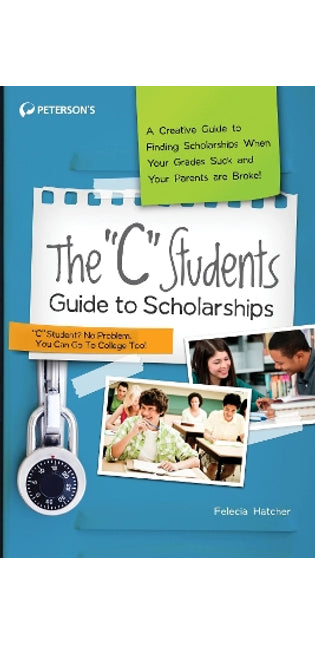
"C" Students Guide to Scholarships
Peterson’s The "C" Student’s Guide to Scholarships (Peterson's C Student’s Guide to Scholarships)1st Edition Unlike most scholarship guides that are aimed only at the straight-A student, this guide shows that it is possible for average or even below-average students to win some of the millions of dollars in available scholarship awards. This is the essential guide to help you find scholarships when you are an average student. Author Felecia Hatcher has dedicated her life to motivating young people to look past their circumstances and their grades and get creative! As a "C" student herself in high school, Hatcher beat the odds and won over $100,000 in scholarships to attend college. She believes that you are an individual with unique talents! Being a “C” student doesn’t mean you can’t succeed in life! Inside this guide you'll find : Secrets and techniques needed to apply for hundreds and thousands of dollars in scholarships and grants to compete with straight "A" students Insightful, resourceful information to help you achieve college and scholarship success Step-by-step guidance to turn hidden talents and unique strengths into cash for college Personal testimonials from "C" students who found their way to success Advice on requesting letters of recommendation and working with your recommenders Read Peterson’s The "C" Students Guide to Scholarships (Peterson's C Students Guide to Scholarships) to learn how you can win scholarships for college, too!
R 384.00
R 445.00
R 754.00
R 606.00
R 175.00
R 1,616.00
R 1,616.00
R 1,616.00
R 1,616.00
R 1,454.00
R 1,616.00
R 1,000.00
R 580.00
R 774.00
R 1,130.00
R 424.00
R 758.00
R 243.00
R 393.00
R 1,648.00
R 310.00
R 1,648.00
R 259.00
R 303.00
R 588.00
R 554.00
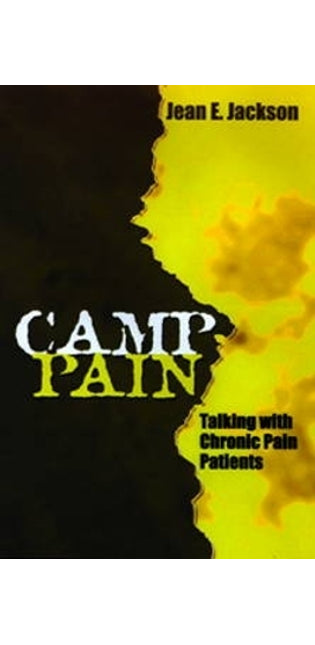
"Camp Pain"
Pain is the most frequent cause of disability in America. And pain specialists estimate that as many as thirty to sixty million Americans suffer from chronic pain. Chronic pain is a complex phenomenon—often extremely difficult to treat, and surprisingly difficult to define.Just as medical literature in general neglects the experience of illness, so the clinical literature on pain neglects the experience of pain. "Camp Pain" takes an approach different from most studies of chronic pain, which are typically written from a medical or social perspective. Based on a year's fieldwork in a pain treatment center, this book focuses on patients' perspectives—on their experiences of pain, what these experiences mean to them, and how this meaning is socially constructed.Jackson explores the psychological burden imposed on many sufferers when they are judged not to have "real" pain, and by harsh moral judgments that sufferers are weak, malingering, or responsible in some way for their pain. Jackson also looks at the ways in which severe pain erodes and destroys personal identity, studying in particular the role of language.While keeping her focus on patients' experiences, Jackson explores Western concepts of disease, health, mind, and body; assumptions about cause and effect; and notions of shame, guilt, and stigma. "Camp Pain" does not attempt to resolve the uncertainties and misperceptions associated with pain but rather aims at enhancing our understanding of the wider implications of chronic pain by focusing on the sufferers themselves.
R 1,059.00
R 385.00
R 273.00
R 332.00
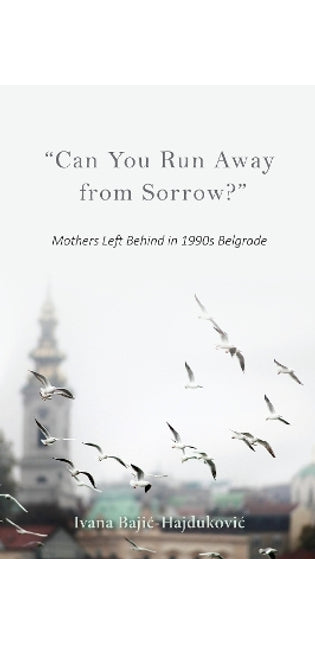
"Can You Run Away from Sorrow?"
How does emigration affect those left behind? The fall of Yugoslavia in the 1990s led citizens to look for a better, more stable life elsewhere. For the older generations, however, this wasn't an option. In this powerful and moving work, Ivana Bajic-Hajdukovic reveals the impact that waves of emigration from Serbia had on family relationships and, in particular, on elderly mothers who stayed. With nowhere to go, and any savings given to their children to help establish new lives, these seniors faced the crumbling country, waves of refugees from Croatia and Bosnia-Herzegovina, NATO bombing, the failing economy, and the trial and ouster of Slobodan Milosevic. "Can You Run Away from Sorrow?" poignantly depicts the intimacy of family relationships sustained through these turbulent times in Serbia and through the next generation's search for a new life. Bajic-Hajdukovic explores transformations in family intimacy during everyday life practices—in people's homes, in their food and cooking practices, in their childcare, and even in remittances and the exchange of gifts. "Can You Run Away from Sorrow?" illustrates not only the tremendous sacrifice of parents, but also their profound sense of loss—of their families, their country, their stability and dignity, and most importantly, of their own identity and hope for what they thought their future would be.
R 2,715.00R 2,190.00
"Can You Run Away from Sorrow?"
How does emigration affect those left behind? The fall of Yugoslavia in the 1990s led citizens to look for a better, more stable life elsewhere. For the older generations, however, this wasn't an option. In this powerful and moving work, Ivana Bajic-Hajdukovic reveals the impact that waves of emigration from Serbia had on family relationships and, in particular, on elderly mothers who stayed. With nowhere to go, and any savings given to their children to help establish new lives, these seniors faced the crumbling country, waves of refugees from Croatia and Bosnia-Herzegovina, NATO bombing, the failing economy, and the trial and ouster of Slobodan Milosevic. "Can You Run Away from Sorrow?" poignantly depicts the intimacy of family relationships sustained through these turbulent times in Serbia and through the next generation's search for a new life. Bajic-Hajdukovic explores transformations in family intimacy during everyday life practices—in people's homes, in their food and cooking practices, in their childcare, and even in remittances and the exchange of gifts. "Can You Run Away from Sorrow?" illustrates not only the tremendous sacrifice of parents, but also their profound sense of loss—of their families, their country, their stability and dignity, and most importantly, of their own identity and hope for what they thought their future would be.
R 730.00