


BESTSELLERS

R 556.00
R 1,519.00
R 3,031.00
R 1,648.00
R 303.00
R 381.00
R 2,609.00
R 302.00
R 1,151.00
R 357.00
R 497.00
R 303.00
R 1,097.00
R 742.00
R 364.00
R 273.00
R 721.00
R 453.00
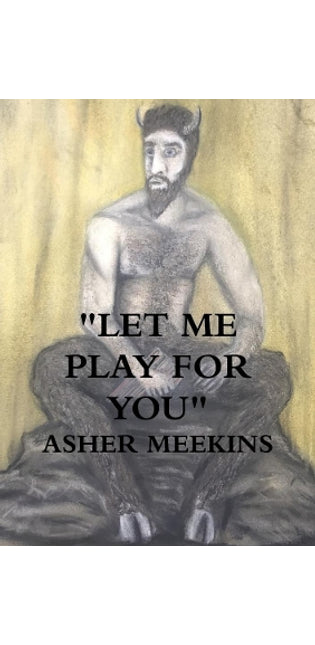
"LET ME PLAY FOR YOU"
"Let me play for you" is a strikingly transcribed short narrative, examining a dream that the author, Asher Meekins experienced at a significant time in his life. Asher fully immerses the reader into the dream and introduces you charmingly to the extraordinary and transcendent Greek God, Pan. The dialogue is stunning between them both, and Asher captures the peacefulness and significances within every word spoken. A beautiful small read, but colossal in its meaning and spiritual connection. A book you will want to keep by your side and take with you everywhere. A petite account that will give you comfort and hope. Beautifully encased in stunning artwork, created by a close friend of Asher, the talented, Jim Sims, an upcoming new artist with a bright future. "Let me play for you" has an almost scripture feel about it, and indeed a new testament to the old god, Pan.
R 213.00
R 453.00
R 978.00
R 618.00
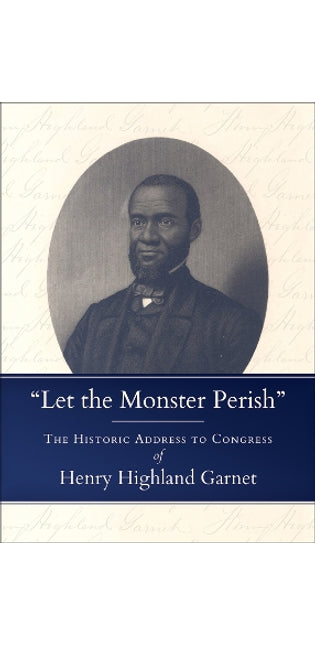
"Let the Monster Perish"
"In a time of division, we can have no better prophetic voice to frame today's discussions of justice and freedom than a one-legged fugitive slave who came to a Capitol without a Dome to tell how the Constitution could be made more perfect, in the name of God."—from a letter sent by the President of the Presbyterian Historical Society to the President of the Maryland State SenateIn February 1865, just days after the adoption of the Thirteenth Amendment banning slavery, Presbyterian pastor and abolitionist Henry Highland Garnet spoke before the U.S. Congress, becoming the first African American to do so. Garnet's speech, titled "Let the Monster Perish," celebrated the end of slavery and pleaded with humanity to never let it rise again. Garnet's address would later set the tone for Congressional Reconstruction, providing the important and necessary perspective from those whose voices had been excluded from American democracy. His address is reproduced here along with a time line of his life.
R 227.00
R 479.00
"Let the Wise Listen and add to Their Learning" (Prov 1:5)
This Festschrift honours Günter Stemberger on the occasion of his 75th birthday on 7 December 2015 and contains 41 articles from colleagues and students. The studies focus on a variety of subjects pertaining to the history, religion and culture of Judaism – and, to a lesser extent, of Christianity – from late antiquity and the Middle Ages to the modern era.
R 10,743.00
R 303.00
"Let Us Go Free"
A vivid and disquieting narrative of Jesuit slaveholding and its historical relationship with Jesuit universities in the United StatesThe Society of Jesus, commonly known as the Jesuits, is renowned for the quality of the order’s impact on higher education. Less well known, however, is the relationship between Jesuit higher education and slavery. For more than two hundred years, Jesuit colleges and seminaries in the United States supported themselves on the labor of the enslaved. “Let Us Go Free” tells the complex stories of the free and enslaved people associated with these Catholic institutions. Walker Gollar shows that, in spite of their Catholic faith, Jesuits were in most respects very typical slaveholders. At times, they may have been concerned with the spiritual and physical well-being of the enslaved, but mostly they were concerned with the finances of their plantations and farms. Gollar traces the legacies of the Jesuits’ participation in the slaveholding economy, portrays the experiences of those enslaved by the Jesuits, and shares the Jesuits’ attempts to come to terms with their history.Deeply based on original research in Jesuit archives, “Let Us Go Free” provides a vivid and disquieting narrative of Jesuit slaveholding for the general reader interested in the historical relationship between slavery and universities in the United States.
R 908.00
"Let Us Go Free"
A vivid and disquieting narrative of Jesuit slaveholding and its historical relationship with Jesuit universities in the United StatesThe Society of Jesus, commonly known as the Jesuits, is renowned for the quality of the order’s impact on higher education. Less well known, however, is the relationship between Jesuit higher education and slavery. For more than two hundred years, Jesuit colleges and seminaries in the United States supported themselves on the labor of the enslaved. “Let Us Go Free” tells the complex stories of the free and enslaved people associated with these Catholic institutions. Walker Gollar shows that, in spite of their Catholic faith, Jesuits were in most respects very typical slaveholders. At times, they may have been concerned with the spiritual and physical well-being of the enslaved, but mostly they were concerned with the finances of their plantations and farms. Gollar traces the legacies of the Jesuits’ participation in the slaveholding economy, portrays the experiences of those enslaved by the Jesuits, and shares the Jesuits’ attempts to come to terms with their history.Deeply based on original research in Jesuit archives, “Let Us Go Free” provides a vivid and disquieting narrative of Jesuit slaveholding for the general reader interested in the historical relationship between slavery and universities in the United States.
R 2,627.00
R 871.00
R 451.00
"Let Us Vote!"
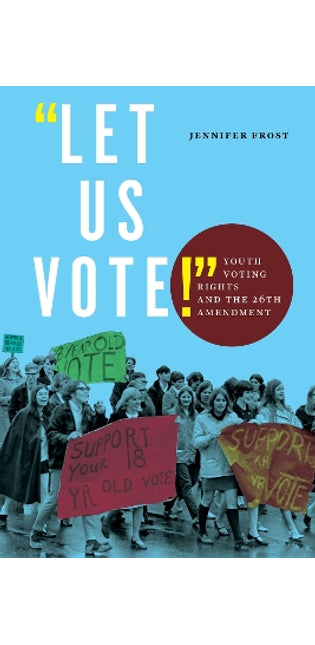
The fascinating tale of how a bipartisan coalition worked successfully to lower the voting age“Let Us Vote!” tells the story of the multifaceted endeavor to achieve youth voting rights in the United States. Over a thirty-year period starting during World War II, Americans, old and young, Democrat and Republican, in politics and culture, built a movement for the 26th Amendment to the US Constitution, which lowered the voting age from twenty-one to eighteen in 1971. This was the last time that the United States significantly expanded voting rights.Jennifer Frost deftly illustrates how the political and social movements of the time brought together bipartisan groups to work tirelessly in pursuit of a lower voting age. In turn, she illuminates the process of achieving political change, with the convergence of “top-down” initiatives and “bottom-up” mobilization, coalition-building, and strategic flexibility. As she traces the progress toward achieving youth suffrage throughout the ’60s, Frost reveals how this movement built upon the social justice initiatives of the decade and was deeply indebted to the fight for African American civil and voting rights.2021 marks the fiftieth anniversary of this important constitutional amendment and comes at a time when scrutiny of both voting age and voting rights has been renewed. As the national conversation around climate crisis, gun violence, and police brutality creates a new call for a lower voting age, “Let Us Vote!” provides an essential investigation of how this massive political change occurred, and how it could be brought about again.
R 2,307.00
"Let Us Vote!"
The fascinating tale of how a bipartisan coalition worked successfully to lower the voting age“Let Us Vote!” tells the story of the multifaceted endeavor to achieve youth voting rights in the United States. Over a thirty-year period starting during World War II, Americans, old and young, Democrat and Republican, in politics and culture, built a movement for the 26th Amendment to the US Constitution, which lowered the voting age from twenty-one to eighteen in 1971. This was the last time that the United States significantly expanded voting rights.Jennifer Frost deftly illustrates how the political and social movements of the time brought together bipartisan groups to work tirelessly in pursuit of a lower voting age. In turn, she illuminates the process of achieving political change, with the convergence of “top-down” initiatives and “bottom-up” mobilization, coalition-building, and strategic flexibility. As she traces the progress toward achieving youth suffrage throughout the ’60s, Frost reveals how this movement built upon the social justice initiatives of the decade and was deeply indebted to the fight for African American civil and voting rights.2021 marks the fiftieth anniversary of this important constitutional amendment and comes at a time when scrutiny of both voting age and voting rights has been renewed. As the national conversation around climate crisis, gun violence, and police brutality creates a new call for a lower voting age, “Let Us Vote!” provides an essential investigation of how this massive political change occurred, and how it could be brought about again.
R 998.00