


BESTSELLERS

R 243.00
R 609.00
R 516.00
R 858.00
R 498.00
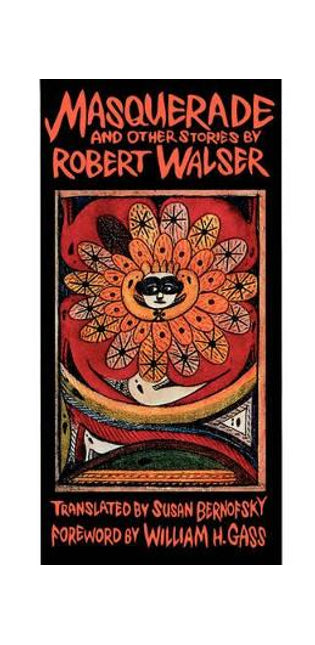
"Masquerade" and Other Stories
Born in Switzerland in 1878, Robert Walser worked as a bank clerk, a butler in a castle, and an inventor's assistant before discovering what William H. Gass calls his "true profession." From 1899 until he was misdiagnosed a schizophrenic and hospitalized in 1933, Walser produced nine novels and more than a thousand short stories and prose pieces. Walser's contemporary admirers were few but well-placed. They included Franz Kafka, Hermann Hesse, Robert Musil, and Walter Benjamin. Today Robert Walser is widely regarded as one of the most important and original literary voices of the twentieth century. In "Masquerade" and Other Stories, Susan Bernofsky presents a representative selection of Walser's work, from his first published fiction to the stately prose of the last years before his voice vanished forever behind the asylum walls. Written between 1899 and 1933, these 64 sketches, scenes, stories, and wanderings through landscapes and dreamscapes are characterized by startling, skewed comparisons, warpings of syntax, vagaries of perspective, and a delight in contradiction.Quirky, playful, and sometimes bizarre, Walser's texts were unconventional by the standards of the early twentieth century. They are still innovative in the context of today's fiction.
R 1,303.00
R 1,905.00
R 236.00
R 212.00
R 603.00
R 273.00
R 394.00
R 727.00
R 606.00
R 667.00
R 364.00
R 808.00
R 1,131.00
R 606.00
R 455.00
R 303.00
R 711.00
R 356.00
R 937.00
R 1,967.00
R 1,818.00
R 711.00
R 243.00
R 303.00
R 485.00
R 181.00
R 1,648.00
R 372.00
R 324.00
R 959.00
R 576.00
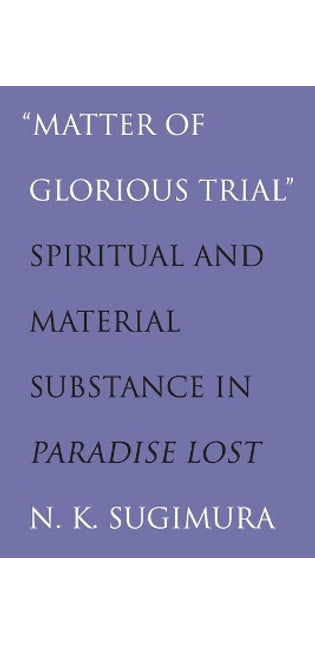
"Matter of Glorious Trial"
This groundbreaking book, the first to examine Milton’s thinking about matter and substance throughout his entire poetic career, seeks to alter the prevailing critical view that Milton was a monist-materialist—one who believes that all things are composed of material and all phenomena (including consciousness) are the result of material interactions. Based on her close study of the philosophical movements of Milton’s mind, Sugimura discovers the “fluid intermediaries” in his poetry that are neither strictly material nor immaterial. In doing so, Sugimura uses Paradise Lost as a fascinating window into the intersection of literature and philosophy, and of literary studies and intellectual history. Sugimura finds that Milton displays a tense and ambiguous relationship with the idealistic dualism of Plato and the materialism of Aristotle and she argues for a more nuanced interpretation of Milton’s metaphysics.
R 2,102.00
R 303.00