


BESTSELLERS

R 243.00
R 606.00
R 303.00
R 333.00
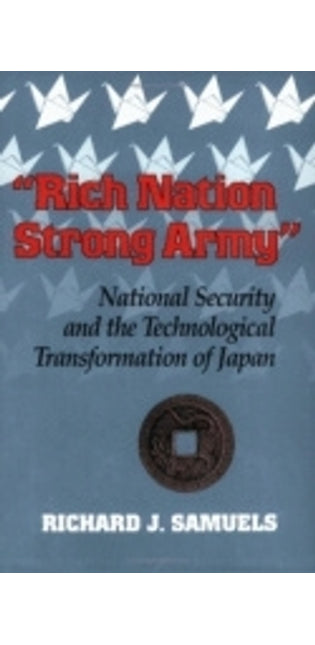
"Rich Nation, Strong Army"
Since World War II, Japan has become not only a model producer of high-tech consumer goods, but also-despite minimal spending on defense-a leader in innovative technology with both military and civilian uses. In the United States, nearly one in every three scientists and engineers was engaged in defense-related research and development at the end of the Cold War, but the relative strength of the American economy has declined in recent years. What is the relationship between what has happened in the two countries? And where did Japan's technological excellence come from? In an economic history that will arouse controversy on both sides of the Pacific, Richard J. Samuels finds a key to Japan's success in an ideology of technological development that advances national interests. From 1868 until 1945, the Japanese economy was fired by the development of technology to enhance national security; the rallying cry "Rich Nation, Strong Army" accompanied the expanded military spending and aggressive foreign policy that led to the disasters of the War in the Pacific. Postwar economic planners reversed the assumptions that had driven Japan's industrialization, Samuels shows, promoting instead the development of commercial technology and infrastructure. By valuing process improvements as much as product innovation, the modern Japanese system has built up the national capacity to innovate while ensuring that technological advances have been diffused broadly through industries such as aerospace that have both civilian and military applications. Struggling with the uncertainties of a post-Cold War economy, the United States has important lessons to learn from the way Japan has subordinated defense production yet emerged as one of the most technologically sophisticated nations in the world. The Japanese, like the Venetians and the Dutch before them, show us that butter is just as likely as guns to make a nation strong, but that nations cannot hope to be strong without an ideology of technological development that nourishes the entire national economy.
R 1,430.00
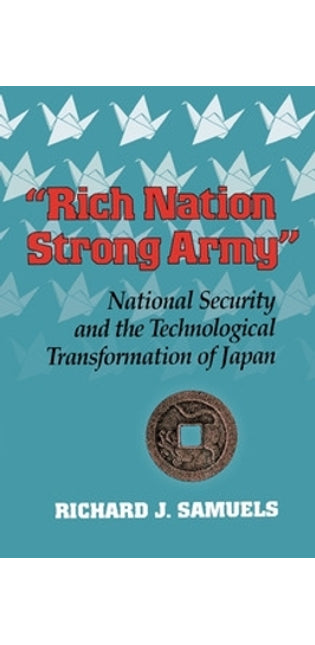
"Rich Nation, Strong Army"
Since World War II, Japan has become not only a model producer of high-tech consumer goods, but also-despite minimal spending on defense-a leader in innovative technology with both military and civilian uses. In the United States, nearly one in every three scientists and engineers was engaged in defense-related research and development at the end of the Cold War, but the relative strength of the American economy has declined in recent years. What is the relationship between what has happened in the two countries? And where did Japan's technological excellence come from? In an economic history that will arouse controversy on both sides of the Pacific, Richard J. Samuels finds a key to Japan's success in an ideology of technological development that advances national interests. From 1868 until 1945, the Japanese economy was fired by the development of technology to enhance national security; the rallying cry "Rich Nation, Strong Army" accompanied the expanded military spending and aggressive foreign policy that led to the disasters of the War in the Pacific. Postwar economic planners reversed the assumptions that had driven Japan's industrialization, Samuels shows, promoting instead the development of commercial technology and infrastructure. By valuing process improvements as much as product innovation, the modern Japanese system has built up the national capacity to innovate while ensuring that technological advances have been diffused broadly through industries such as aerospace that have both civilian and military applications. Struggling with the uncertainties of a post-Cold War economy, the United States has important lessons to learn from the way Japan has subordinated defense production yet emerged as one of the most technologically sophisticated nations in the world. The Japanese, like the Venetians and the Dutch before them, show us that butter is just as likely as guns to make a nation strong, but that nations cannot hope to be strong without an ideology of technological development that nourishes the entire national economy.
R 1,809.00
R 364.00
"Richtige" Kinder
Wie wird Vaterschaft ermittelt? Das Bundesverfassungsgerichtsurteil zu so genannten heimlichen Vaterschaftstests hat einen Anspruch auf die genetische Abstammungsklärung verankert. Ziel dieser Klärung ist es für Väter, festzustellen, ob ihr rechtliches Kind auch ihr biologisches Kind ist. Dem Urteil folgte ein Gesetz zur Klärung der Abstammung. Das neue Gesetz schafft den "stets sicheren" Vater. Wie ist es vor diesem Hintergrund um die Sicherheit des Kindes bestellt? In welchem Verhältnis stehen Vaterrechte und Kinderrechte? Diesen Fragen geht Sabina Schutter anhand eines diskursanalytischen Verfahrens nach.
R 1,817.00
R 394.00
R 371.00
"Rider."
Following the Second World War, sport lost its virginity. First the Iron Curtain countries used sport politically to trumpet the superiority of their system. Then professional sport suddenly became well paid and glamorous. Blessed with athletic ability beyond the comprehension of most mortals, but no other marketable skills to make a living, you have a choice. Live at the lower end of the food chain, or become a professional athlete. But fifteen years, if you're lucky, is all you'll get. To earn enough money to set you up for life. Take the professional cyclist. The top fifty will make it easily. The next five hundred will make a living. After them come the thousands of talented amateur and semi-pro riders, all with a dream. All destined to go hungry, or...Enter performance-enhancing drugs. Top rider or dreamer, how far are you prepared to go? As far as you must? As far as murder?
R 364.00
R 461.00
R 1,033.00
R 613.00
"Right Makes Might"
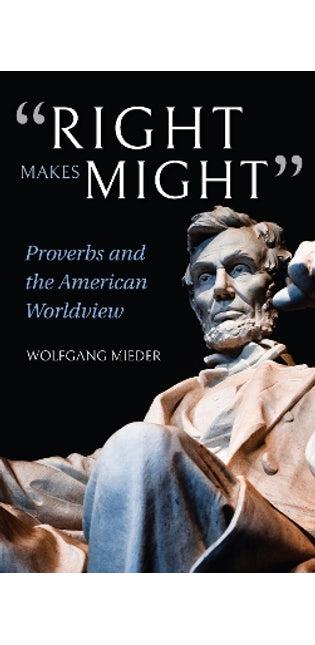
In 1860 Abraham Lincoln employed the proverb, Right makes might, (opposite of the more aggressive Might makes right) in his famed Cooper Union address. While Lincoln did not originate the proverb, his use of it in this critical speech indicates that the 14th century phrase had taken on new ethical and democratic connotations in the 19th century. In this collection, famed scholar of proverbs Wolfgang Mieder explores the multifaceted use and function of proverbs through the history of the United States, from their early beginnings up through their use by today's well-known politicians, including Barack Obama, Hillary Rodham Clinton, and Bernie Sanders. Building on previous publications and unpublished research, Mieder explores sociopolitical aspects of the American worldview as expressed through the use of proverbs in politics, women's rights, and the civil rights movement. By looking at the use of proverbial phrases, Mieder demonstrates how one traditional phrase can take on numerous expressive roles over time and how they continue to play a key role in our contemporary moment.
R 1,175.00
"Right Makes Might"
In 1860 Abraham Lincoln employed the proverb, Right makes might, (opposite of the more aggressive Might makes right) in his famed Cooper Union address. While Lincoln did not originate the proverb, his use of it in this critical speech indicates that the 14th century phrase had taken on new ethical and democratic connotations in the 19th century. In this collection, famed scholar of proverbs Wolfgang Mieder explores the multifaceted use and function of proverbs through the history of the United States, from their early beginnings up through their use by today's well-known politicians, including Barack Obama, Hillary Rodham Clinton, and Bernie Sanders. Building on previous publications and unpublished research, Mieder explores sociopolitical aspects of the American worldview as expressed through the use of proverbs in politics, women's rights, and the civil rights movement. By looking at the use of proverbial phrases, Mieder demonstrates how one traditional phrase can take on numerous expressive roles over time and how they continue to play a key role in our contemporary moment.
R 2,802.00
R 333.00
R 273.00
R 303.00
R 485.00
R 323.00
R 455.00
R 206.00
R 303.00
R 303.00
"Risikobiografien"
Fast ebenso vielfältig wie die Probleme und Bedarfe von Mädchen und Jungen in schwierigen Lebenslagen scheinen die entsprechenden Ansatzpunkte der erziehungswissenschaftlichen Teildisziplinen und ihrer Bezugswissenschaften zu sein. Für Mädchen und Jungen, deren Zukunftsoptionen durch biographische und strukturelle Risiken eingeschränkt sind, gilt es unproduktive (Teil-) Disziplingrenzen zu überwinden. Der Sammelband fasst die erziehungswissenschaftlichen Subdisziplinen zusammen, regt den gemeinsamen Diskurs an und sucht nach Ansätzen einer Strukturierung im disparaten Forschungsfeld.
R 2,544.00
R 455.00
R 303.00
R 679.00
R 1,519.00
R 455.00
R 485.00
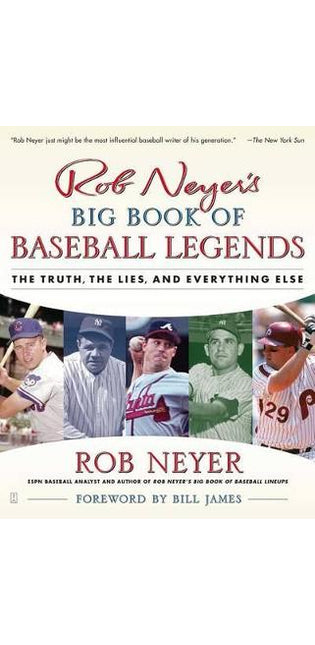
"Rob Neyer's Big Book Of Baseball Legends: The Truth, the Lies and Everything Else "
The latest and greatest in ESPN.com baseball guru Rob Neyer's Big Book series, Legends is a highly entertaining guide to baseball fables that have been handed down through generations. The well-told baseball story has long been a staple for baseball fans. In Rob Neyer's Big Book of Baseball Legends, Neyer breathes new life into both classic and obscure stories throughout twentieth-century baseball--stories that, while engaging on their own, also tell us fascinating things about their main characters and about the sport's incredibly rich history. With his signature style, Rob gets to the heart of every anecdote, working through the particulars with careful research drawn from a variety of primary sources. For each story, he asks: Did this really happen? Did it happen, sort of? Or was the story simply the wild invention of someone's imagination? Among the scores of legends Neyer questions and investigates... -Did an errant Bob Feller pitch really destroy the career of a National League All-Star? -Did Greg Maddux mean to give up a long blast to Jeff Bagwell? -Was Fred Lynn the clutch player he thinks he was? -Did Tommy Lasorda have a direct line to God? -Did Negro Leaguer Gene Benson really knock Indians second baseman Johnny Berardino out of baseball and into General Hospital? -Did Billy Martin really outplay Jackie Robinson every time they met? -Oh, and what about Babe Ruth's "Called Shot"? Rob checks each story, separates the truths from the myths, and places their fascinating characters into the larger historical context. Filled with insider lore and Neyer's sharp wit and insights, this is an exciting addition to a superb series and an essential read for true fans of our national pastime.
R 453.00