


BESTSELLERS

R 394.00
R 455.00
R 968.00
R 516.00
R 388.00
R 303.00
"Stop!" How to control predatory chasing in dogs
Throwing a ball for a game of chase is an enjoyable and rewarding experience for many owners and their dogs. For other owners canine chase behaviour turns into a nightmare when their dog chases cyclists, cars or sheep. When their dogs choose what to chase it can compromise owners financially, cause the target severe injury or even death, and threaten the life of the dog. A good trainer or behaviour counsellor needs to be able to address inappropriate predatory chase behaviour swiftly and effectively. This book looks at the reasons for the problem, the more effective solutions and how to alter the behaviour.
R 398.00
R 1,360.00
R 485.00
R 212.00
R 451.00
R 319.00
R 545.00
R 521.00
R 652.00
R 1,065.00
R 758.00
R 627.00
R 303.00
R 479.00
R 606.00
R 833.00
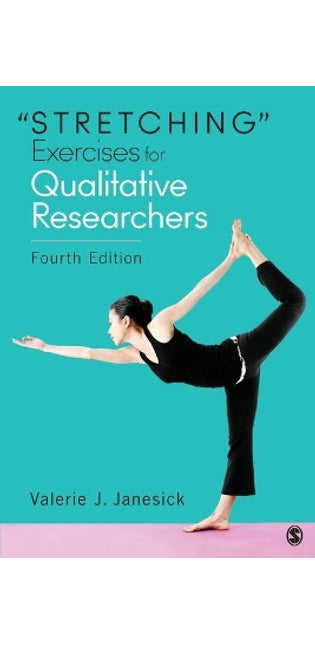
"Stretching" Exercises for Qualitative Researchers
In the new Fourth Edition of her inventive, one-of-a-kind book, author Valerie J. Janesick uses dance, yoga, and meditation metaphors to help researchers tap into the intuitive and creative side of their research. In every chapter, "stretching" exercises help readers develop, practice, and hone fieldwork skills and vital habits of mind such as observation, interviewing, writing, creativity, technology, and analysis. While reading the book and working through the exercises, readers can complete a researcher’s reflective journal—an invaluable tool that will remain useful throughout their careers.
R 4,580.00
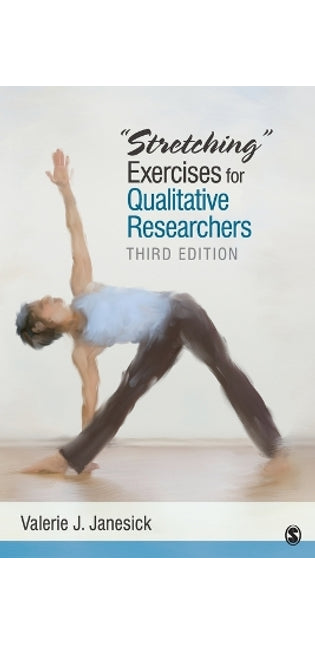
"Stretching" Exercises for Qualitative Researchers
In this updated version of her innovative and distinctive book, "Stretching" Exercises for Qualitative Researchers, author Valerie J. Janesick extends her dance and yoga metaphors to strengthen her argument that tapping into one's artistic side-the side that is more creative and less inhibited-is fundamental to realizing one's potential as a qualitative researcher. With a focus on developing habits of mind through intuition and creativity, this Third Edition provides a series of exercises that are both imaginative and immensely practical in helping students to see the artistic side of research and reflection. Thoroughly classroom tested, these exercises demystify the research process and help researchers become more active observers, interviewers, and learners as they develop and critique their habits of observation, questioning, creativity, writing, and analysis.
R 2,190.00
R 613.00
R 1,033.00
R 1,242.00
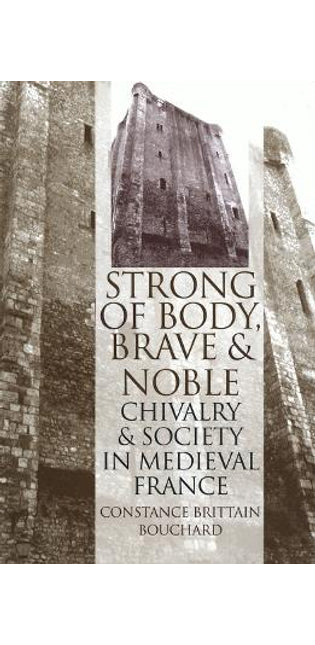
"Strong of Body, Brave and Noble"
Medieval society was dominated by its knights and nobles. The literature created in medieval Europe was primarily a literature of knightly deeds, and the modern imagination has also been captured by these leaders and warriors. This book explores the nature of the nobility, focusing on France in the High Middle Ages (11th-13th centuries). Constance Brittain Bouchard examines their families; their relationships with peasants, townspeople, and clerics; and the images of them fashioned in medieval literary texts. She incorporates throughout a consideration of noble women and the nobility's attitude toward women.Research in the last two generations has modified and expanded modern understanding of who knights and nobles were; how they used authority, war, and law; and what position they held within the broader society. Even the concepts of feudalism, courtly love, and chivalry, once thought to be self-evident aspects of medieval society, have been seriously questioned. Bouchard presents bold new interpretations of medieval literature as both reflecting and criticizing the role of the nobility and their behavior. She offers the first synthesis of this scholarship in accessible form, inviting general readers as well as students and professional scholars to a new understanding of aristocratic role and function.
R 1,031.00
"Strong of Body, Brave and Noble"
Medieval society was dominated by its knights and nobles. The literature created in medieval Europe was primarily a literature of knightly deeds, and the modern imagination has also been captured by these leaders and warriors. This book explores the nature of the nobility, focusing on France in the High Middle Ages (11th-13th centuries). Constance Brittain Bouchard examines their families; their relationships with peasants, townspeople, and clerics; and the images of them fashioned in medieval literary texts. She incorporates throughout a consideration of noble women and the nobility's attitude toward women.Research in the last two generations has modified and expanded modern understanding of who knights and nobles were; how they used authority, war, and law; and what position they held within the broader society. Even the concepts of feudalism, courtly love, and chivalry, once thought to be self-evident aspects of medieval society, have been seriously questioned. Bouchard presents bold new interpretations of medieval literature as both reflecting and criticizing the role of the nobility and their behavior. She offers the first synthesis of this scholarship in accessible form, inviting general readers as well as students and professional scholars to a new understanding of aristocratic role and function.
R 4,234.00
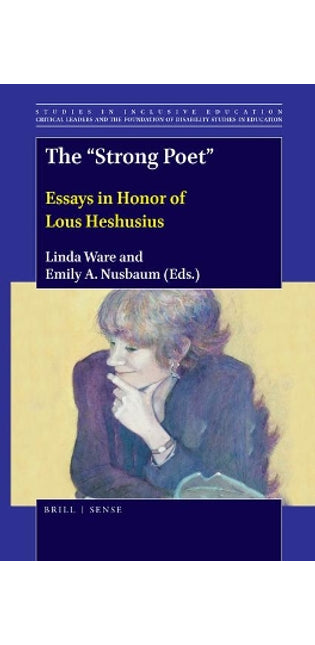
"Strong Poet"
The “Strong Poet”: Essays in Honor of Lous Heshusius is an edited volume focused on the research, scholarship, and leadership of one of the earliest proponents of radical change in the field of special education. This volume is part of the series Critical Leaders and the Foundation of Disability Studies in Education, a collective history of the ecology of ideas that gave way to the emergence of the field of Disability Studies in Education (DSE). The series formalizes the value of attending to a history, distinguished by Steve Taylor (2005), as one that existed before it was named DSE. In this volume the contributors borrow from the venerable life work of Lous Heshusius, to center her original claims, early research, and the enduring challenge she posed to special education against examples from their own practice and personal histories. Each chapter recovers aspects of the genius of Heshusius that ultimately disrupted status quo thinking about disability. Specifically her attention to recognizing the lives and desires of those that society too often relegates to categories and contexts devoid of self-direction and authentic agency. In brief, we find in Heshusius, a researcher who sought to privilege the voice of individuals with disability. She was among those who drew from and elaborated upon the methods and tools of qualitative research.Contributors are: Julie Allan, Alicia A. Broderick, Danielle M. Cowley, Deborah J. Gallagher, Emily A. Nusbaum, and Linda Ware.
R 1,442.00
R 637.00