


BESTSELLERS
R 580.00

R 364.00
R 1,221.00
R 1,712.00
R 485.00
R 871.00
R 213.00
R 1,551.00
R 1,061.00
R 1,106.00
R 904.00
R 1,071.00
R 448.00
R 455.00
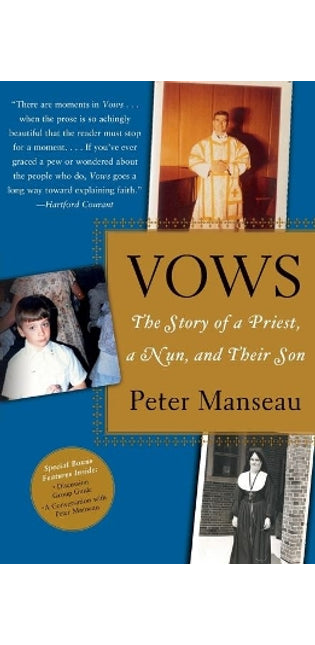
"Vows: The Story of a Priest, a Nun and Their Son "
Vows is a compelling story of one family's unshakable faith that to be called is to serve, however high the cost may be. Peter Manseau's riveting evocation of his parents' parallel childhoods, their similar callings, their experiences in the seminary and convent, and how they met while tending to the homeless of Roxbury, Massachusetts, during the riot-prone 1960s is a page-turning meditation on the effect that love can have on profound faith.
R 653.00
R 212.00
R 1,874.00
R 1,085.00
R 624.00
"Wahrnehmung und Gegenstandswelt"
Egon Brunswik ist – wie viele andere – durch seine Emigration aus dem geistigen Leben seiner ehemaligen Heimat Österreich verschwunden. Im Ausland aber ist seine Bedeutung als Wissenschaftstheoretiker der Psychologie, wie auch als Methodologe und Wissenschaftshistoriker ebenso unbestritten, wie sein Anteil an der Überwindung des mechanistisch-kausalistischen Welt- und Menschenbildes. Dieses Buch hat es sich zur Aufgabe gesetzt, diesen Denker zwischen Bühler-Schule und Wiener Kreis für den deutschsprachigen Raum neu zu entdecken. Die Schwerpunkte liegen in den wesentlichen Elementen seiner wissenschaftlichen Weltauffassung und in seinen methodologischen Innovationen, besonders für die "ökologische Psychologie".
R 2,203.00
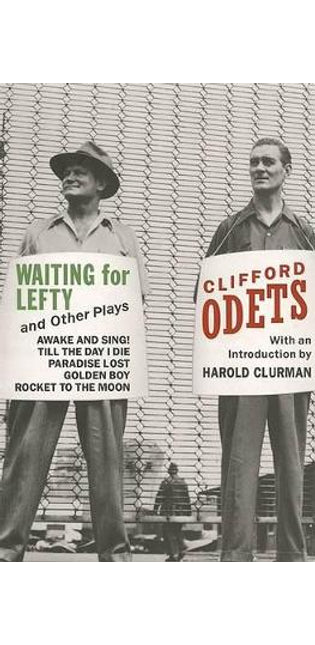
"Waiting for Lefty" and Other Plays
One of the most celebrated and significant plays of the modern American Theatre. The action of the play is comprised of a series of varied, imaginatively conceived episodes, that blend into a powerful and stirring mosaic. The opening scene is a hiring hall where a union leader (obviously in the pay of the bosses) is trying to convince a committee of workers (who are waiting for their leader, Lefty, to arrive) not to strike. This is followed by a moving confrontation between a discouraged taxi driver, who cannot earn enough to live on, and his angry wife, who wants him to show some backbone and stand up to his employer; a revealing scene between a scheming boss and the young worker who refuses to spy on his fellow employees; a sad/funny episode centering on a young cabbie and his would-be bride, who lack the wherewithal to get married; a disturbing scene involving a senior doctor and the underpaid young intern (a labor activist) whom the doctor has been ordered to discharge; and, finally, a return to the union hall where the workers, learning that Lefty has been gunned down by the powers-that-be, resolve at last to stand up for their rights and to strike - and to stay off their jobs until their grievances are finally heard and acted upon by those who have so cynically exploited and misused them.
R 457.00
"Waiting for the Coming"
People have all sorts of ideas about what the future holds. What is the truth about what lies ahead? The Bible records that Jesus said He would return. Is that true? and, if so, what are the consequences - for the Christian and the world? In a series of Bible studies the author explores these and related issues: considering relevant questions, to which he discovers convincing answers. Importantly, he shows that the coming again of the Lord Jesus Christ will be in two stages - the coming for His saints (the Rapture) and with them (the Appearing). In the light of these, we each need to face the challenge, "Am I waiting for the coming of the Lord Jesus Christ?"
R 257.00
R 466.00
R 581.00
R 566.00
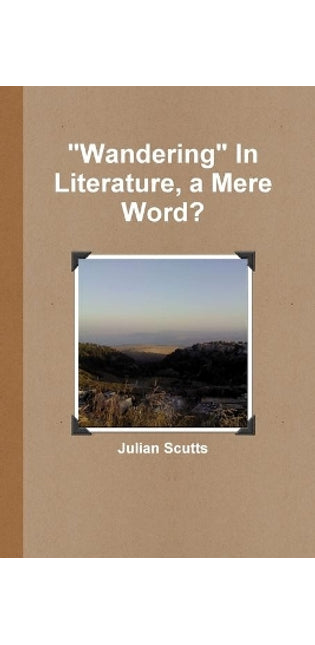
"Wandering" in Literature, a Mere Word?
This book does not find its starting point in a theory but in the recognition that the word "Wanderer," and other forms based on the common root of the verbs to "wander" and "wandern," recur with conspicuous frequency in the writings of Goethe and English Romantic poets such as William Wordsworth and Lord Byron. A notable scholar, Professor L. A. Willoughby sought an explanation for this phenomnon in Carl G. Jung's theory of the unconscious but Willoughby's sole ambit of reference was what he termed "Goethe's poetry." This restriction could not allow the scope necessary for the study of the collective aspect of the mind's power and influence. This study poses the attempt to widen the survey of "wandering" to a comparison of texts found in a wide variety of authors including Milton, Shakespeare and William Blake.
R 800.00