


BESTSELLERS

R 419.00
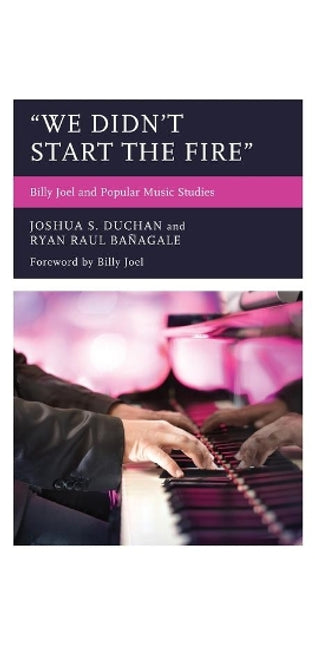
"We Didn't Start the Fire"
Billy Joel has sold over 150 million records, produced thirty-three Top-40 hits, received six Grammy Awards, and been inducted into the Rock and Roll Hall of Fame. Fans celebrate him, critics deride him, and scholars have all but ignored him. This first-of-its-kind collection of essays offers close analysis and careful insight into the ways his work has impacted popular music during the last fifty years. Using diverse approaches, this volume serves as a model for how any scholar can approach the study of popular music. Ultimately, these chapters interrogate how popular music frames our experiences, constitutes our history and culture, and gains importance in our daily lives.
R 1,385.00
"We Didn't Start the Fire"
Billy Joel has sold over 150 million records, produced thirty-three Top-40 hits, received six Grammy Awards, and been inducted into the Rock and Roll Hall of Fame. Fans celebrate him, critics deride him, and scholars have all but ignored him. This first-of-its-kind collection of essays on the music of Billy Joel offers close analysis and careful insight into the ways his work has impacted popular music during the last fifty years. Using a diversity of approaches, including those not traditionally found within popular musicological studies, this volume serves as a model for how any scholar can approach the study of popular music, regardless of their methodological leanings. These chapters interrogate how popular music frames personal and collective experiences, participates in the construction of history and culture, and invites us to reflect on its importance in our daily lives.
R 397.00
R 303.00
R 612.00
R 569.00
R 581.00
R 457.00
R 459.00
R 368.00
R 336.00
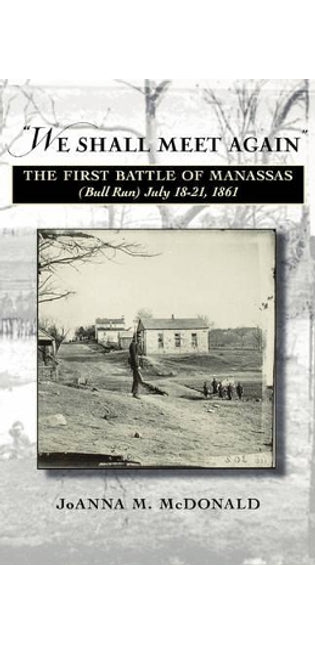
"We Shall Meet Again"
The First Battle of Manassas claimed the lives of approximately 878 soldiers and wounded another 2,489. With a battlefield stretching nearly five miles, 15,000 Union and 14,000 Confederate soldiers clashed for four fateful days, many of them young and terrified and receiving their first taste of a long and bitter war. Their courage, military skill, and brute strength were tested, leading some brigades and many individuals to receive reputations that followed them into history. Now, for the first time, this extraordinary work brings the Battle of Bull Run to life by featuring over two hundred photographs of the individual soldiers and forty-five highly detailed maps. Written by a noted military historian, it provides all the necessary background information to understand the minutiae of the military action, yet it also personalizes the horrors of those few destructive days. Through poignant, often disturbing, excerpts from diaries and letters, this book offers readers a rare glimpse at the tragedy of war. Moreover, it portrays with realism and compassion the significance of the first battle of the bloodiest war in American history.
R 1,143.00
R 1,497.00
R 549.00
R 2,254.00
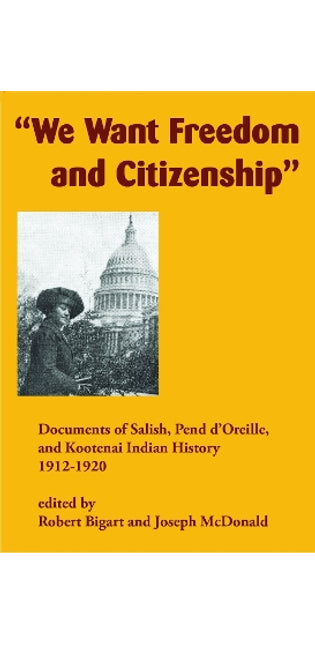
"We Want Freedom and Citizenship"
The nine years between 1912 and 1920 were a period of economic and political struggle for the Salish and Kootenai tribes of the Flathead Indian Reservation in western Montana. The Indian people toiled to maintain their economic independence despite the theft of most of their land assets. The new Flathead Irrigation Project destroyed most of the private irrigation ditches tribal farmers had dug over the years. Some tribal members opened businesses and organized rodeos, but many ventures were frustrated by government policies, fire, and drought. While trying to adapt to the economic impact of allotment, the tribe also fought against paternalistic and exploitive government policies. Until 1916 half of tribal income from timber and land sales was used to operate the agency and construct an irrigation project that largely benefited white settlers. During most of the 1912 to 1920 period, Flathead Agent Fred C. Morgan and his allies on the Flathead Business Committee fought the more radical Flathead Tribal Council over agency policies. The Flathead Tribal Council especially fought against congressional appropriations to construct the irrigation project as long as the construction was to be paid for with tribal funds or with liens on tribal allotments.
R 791.00
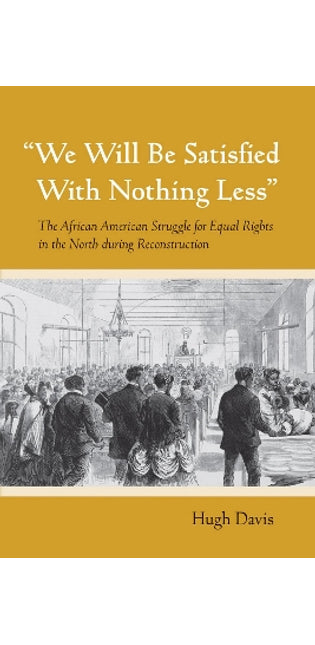
"We Will Be Satisfied With Nothing Less"
Historians have focused almost entirely on the attempt by southern African Americans to attain equal rights during Reconstruction. However, the northern states also witnessed a significant period of struggle during these years. Northern blacks vigorously protested laws establishing inequality in education, public accommodations, and political life and challenged the Republican Party to live up to its stated ideals.In "We Will Be Satisfied With Nothing Less", Hugh Davis concentrates on the two issues that African Americans in the North considered most essential: black male suffrage rights and equal access to the public schools. Davis connects the local and the national; he joins the specifics of campaigns in places such as Cincinnati, Detroit, and San Francisco with the work of the National Equal Rights League and its successor, the National Executive Committee of Colored Persons. The narrative moves forward from their launching of the equal rights movement in 1864 to the "end" of Reconstruction in the North two decades later. The struggle to gain male suffrage rights was the centerpiece of the movement's agenda in the 1860s, while the school issue remained a major objective throughout the period. Following the ratification of the Fifteenth Amendment in 1870, northern blacks devoted considerable attention to assessing their place within the Republican Party and determining how they could most effectively employ the franchise to protect the rights of all citizens.
R 1,709.00
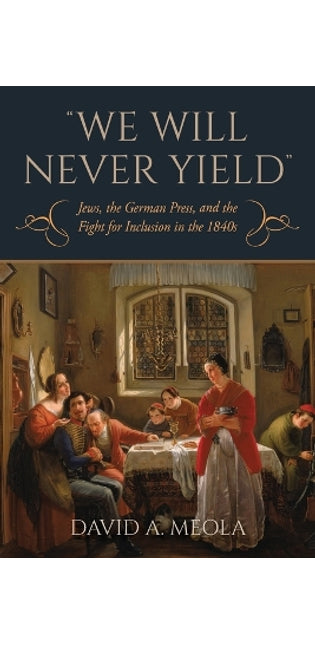
"We Will Never Yield"
How did German Jews present their claims for equality to everyday Germans in the first half of the nineteenth century? We Will Never Yield offers the first English-language study of the role of the German press in the fight for Jewish agency and participation during the 1840s. David Meola explores how the German press became a key venue for public debates over Jewish emancipation; religious, educational, and occupational reforms; and the role of Jews in German civil society, even against a background of escalating violence against the Jews in Germany, We Will Never Yield sheds light on the struggle for equality by German Jews in the 1840s and demonstrates the value of this type of archival source of Jewish voices that has been previously underappreciated by historians of Jewish history.
R 1,033.00
"We Will Never Yield"
How did German Jews present their claims for equality to everyday Germans in the first half of the nineteenth century? We Will Never Yield offers the first English-language study of the role of the German press in the fight for Jewish agency and participation during the 1840s. David Meola explores how the German press became a key venue for public debates over Jewish emancipation; religious, educational, and occupational reforms; and the role of Jews in German civil society, even against a background of escalating violence against the Jews in Germany, We Will Never Yield sheds light on the struggle for equality by German Jews in the 1840s and demonstrates the value of this type of archival source of Jewish voices that has been previously underappreciated by historians of Jewish history.
R 2,360.00
R 580.00
R 1,000.00
R 611.00
R 302.00
R 303.00
R 333.00
R 398.00
R 273.00
R 606.00
R 1,065.00
R 580.00
R 1,000.00
R 1,619.00
R 1,000.00
R 306.00