


BESTSELLERS

R 543.00
R 1,666.00
R 1,209.00
R 876.00
R 1,842.00
R 904.00
R 1,291.00
R 387.00
R 6,215.00
R 303.00
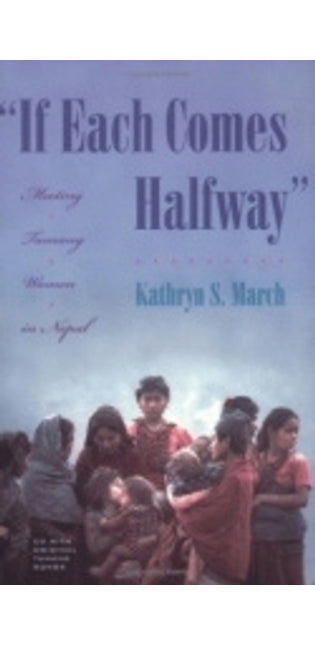
"If Each Comes Halfway"
For twenty-five years, Kathryn S. March has collected the life stories of the women of a Buddhist Tamang farming community in Nepal. In If Each Comes Halfway, she shows the process by which she and Tamang women reached across their cultural differences to find common ground. March allows the women's own words to paint a vivid portrait of their highland home. Because Tamang women frequently told their stories by singing poetic songs in the middle of their conversations with March, each book includes a CD of traditional songs not recorded elsewhere. Striking photographs of the Tamang people accent the book's written accounts and the CD's musical examples. In conversation and song, the Tamang open their sem—their "hearts-and-minds"—as they address a broad range of topics: life in extended households, women's property issues, wage employment and out-migration, sexism, and troubled relations with other ethnic groups. Young women reflect on uncertainties. Middle-aged women discuss obligations. Older women speak poignantly, and bluntly, about weariness and waiting to die. The goal of March's approach to ethnography is to place Tamang women in control of how their stories are told and allow an unusually intimate glimpse into their world.
R 1,313.00
R 485.00
R 606.00
R 318.00
R 514.00
R 319.00
R 455.00
R 758.00
R 271.00
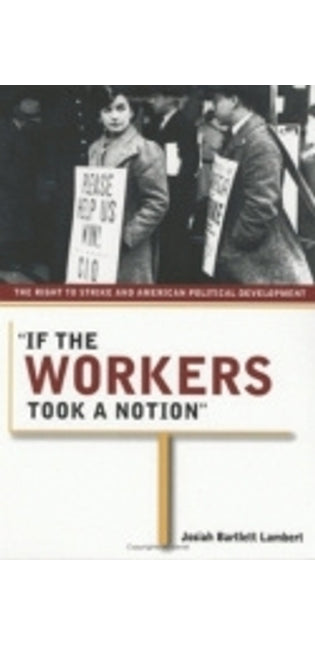
"If the Workers Took a Notion"
Once a fundamental civic right, strikes are now constrained and contested. In an unusual and thought-provoking history, Josiah Bartlett Lambert shows how the ability to strike was transformed from a fundamental right that made the citizenship of working people possible into a conditional and commercialized function. Arguing that the executive branch, rather than the judicial branch, was initially responsible for the shift in attitudes about the necessity for strikes and that the rise of liberalism has contributed to the erosion of strikers' rights, Lambert analyzes this transformation in relation to American political thought. His narrative begins before the Civil War and takes the reader through the permanent striker replacement issue and the alienation of workplace-based collective action from community-based collective action during the 1960s. "If the Workers Took a Notion" maps the connections among American political development, labor politics, and citizenship to support the claim that the right to strike ought to be a citizenship right and once was regarded as such. Lambert argues throughout that the right to strike must be protected. He challenges the current "law turn" in labor scholarship and takes into account the role of party alliances, administrative agencies, the military, and the rise of modern presidential powers.
R 1,079.00
"If the Workers Took a Notion"
Once a fundamental civic right, strikes are now constrained and contested. In an unusual and thought-provoking history, Josiah Bartlett Lambert shows how the ability to strike was transformed from a fundamental right that made the citizenship of working people possible into a conditional and commercialized function. Arguing that the executive branch, rather than the judicial branch, was initially responsible for the shift in attitudes about the necessity for strikes and that the rise of liberalism has contributed to the erosion of strikers' rights, Lambert analyzes this transformation in relation to American political thought. His narrative begins before the Civil War and takes the reader through the permanent striker replacement issue and the alienation of workplace-based collective action from community-based collective action during the 1960s. "If the Workers Took a Notion" maps the connections among American political development, labor politics, and citizenship to support the claim that the right to strike ought to be a citizenship right and once was regarded as such. Lambert argues throughout that the right to strike must be protected. He challenges the current "law turn" in labor scholarship and takes into account the role of party alliances, administrative agencies, the military, and the rise of modern presidential powers.
R 4,234.00
R 303.00
R 545.00
R 1,200.00
R 394.00
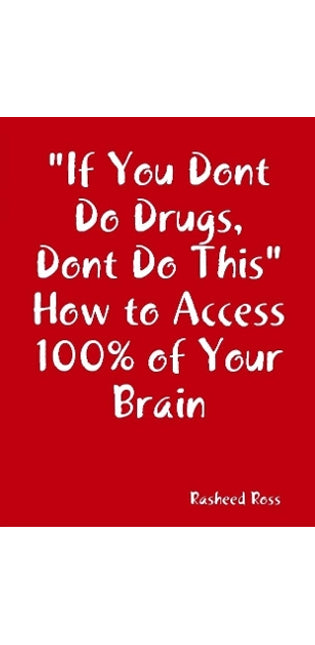
"If You Dont Do Drugs, Dont Do This" How to Access 100% of Your Brain
How to access 100% of your brain by Rasheed Ross. if you dont do drugs, dont do this. 2019 book
R 1,309.00
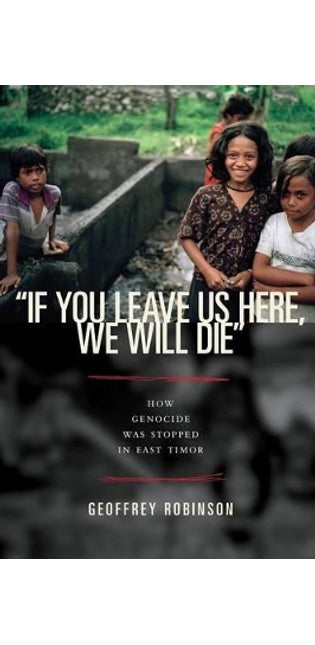
"If You Leave Us Here, We Will Die"
This is a book about a terrible spate of mass violence. It is also about a rare success in bringing such violence to an end. "If You Leave Us Here, We Will Die" tells the story of East Timor, a half-island that suffered genocide after Indonesia invaded in 1975, and which was again laid to waste after the population voted for independence from Indonesia in 1999. Before international forces intervened, more than half the population had been displaced and 1,500 people killed. Geoffrey Robinson, an expert in Southeast Asian history, was in East Timor with the United Nations in 1999 and provides a gripping first-person account of the violence, as well as a rigorous assessment of the politics and history behind it. Robinson debunks claims that the militias committing the violence in East Timor acted spontaneously, attributing their actions instead to the calculation of Indonesian leaders, and to a "culture of terror" within the Indonesian army. He argues that major powers--notably the United States, Australia, and the United Kingdom--were complicit in the genocide of the late 1970s and the violence of 1999.At the same time, Robinson stresses that armed intervention supported by those powers in late 1999 was vital in averting a second genocide. Advocating accountability, the book chronicles the failure to bring those responsible for the violence to justice. A riveting narrative filled with personal observations, documentary evidence, and eyewitness accounts, "If You Leave Us Here, We Will Die" engages essential questions about political violence, international humanitarian intervention, genocide, and transitional justice.
R 1,497.00