


BESTSELLERS

R 423.00
R 561.00
R 455.00
R 163.00
R 303.00
R 303.00
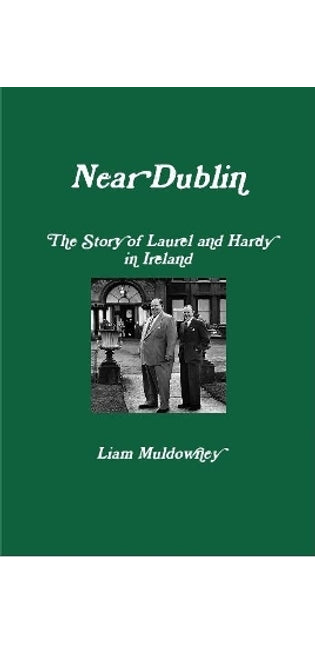
"Near Dublin" The Story of Laurel and Hardy in Ireland
Containing over two decades of research, Near Dublin tells the story of the visits to Irish shores in the early 1950s of Stan Laurel and Oliver Hardy. Drawing on newspaper interviews, personal recollections and archive material, it follows their every move as they became a bit Irish for a small time. Find out what Oliver Hardy thought of the selection of Whiskey on offer and what he made of the price of eating out in the capital. Discover if Stan Laurel was able to get to go on a fishing trip to Poulaphouca Lake and if he managed to outsmart the doctors in Belfast. With rare photographs and anecdotes, this is the real story of what they thought of Ireland and what Ireland thought of them.
R 1,323.00
R 484.00
"Negative Consequences of Natural Disasters"
This book is dedicated to teach students from schools, lyceums or universities. This book involves information about natural disasters in Central Asia and especially in Uzbekistan
R 351.00
R 580.00
R 1,000.00
R 220.00
R 1,772.00
R 273.00
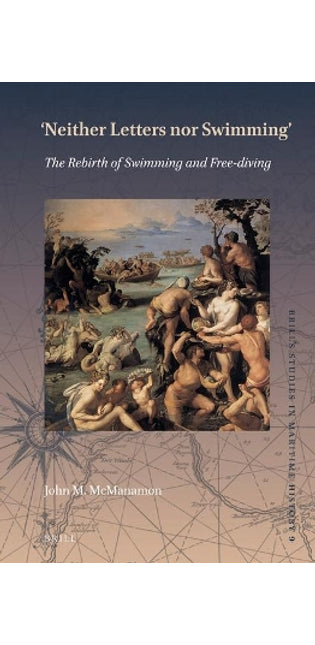
"Neither Letters nor Swimming": The Rebirth of Swimming and Free-diving
In a novel study of the impact of classical culture, John McManamon demonstrates that Renaissance scholars rediscovered the importance of swimming to the ancient Greeks and Romans and conceptualized the teaching of swimming as an art. The ancients had a proverb that described a truly ignorant person as knowing “neither letters nor swimming.” McManamon traces the ancient textual and iconographic evidence for an art of swimming, demonstrates its importance in warfare, and highlights the activities of free-divers who exploited the skill of swimming to earn a living. Renaissance theorists of a humanist education first advocated a rebirth for swim training, Erasmus included the classical proverb in his Adages, and two sixteenth-century scholars wrote treatises in dialogue form on methods for teaching young people how to swim.
R 6,945.00
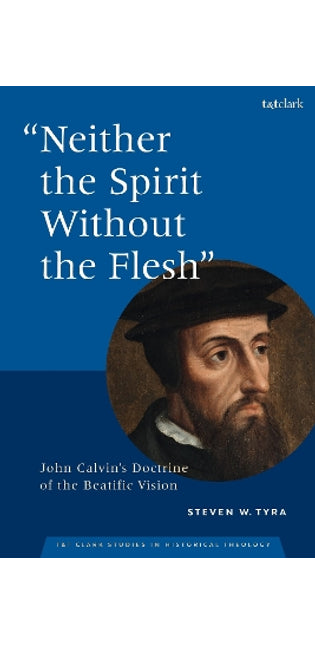
"Neither the Spirit without the Flesh"
This book claims that John Calvin developed “Greek” doctrines of the interim state of souls, resurrection, and beatific vision through his reading of ancient Christian sources like Irenaeus of Lyons. “Greek” had been a technical term in Western theology since at least the 12th century to denote heterodox eschatology. Thomas Aquinas had employed it in that sense, and early modern Catholics like Robert Bellarmine and Pierre Coton in turn applied it to Calvin. The book demonstrates that, in this respect at least, Calvin’s opponents were correct: he was a “Greek.” However, it questions whether that fact should lead modern theologians to dismiss him as a resource for contemporary reflection. Calvin’s deep respect for and continuity with early Christian voices may serve as a positive model for theologians today, particularly in the Reformed tradition. By the same token, Reformed thinkers who seek inspiration from medieval scholasticism may find their relationship to Calvin complicated by the case presented here.
R 3,504.00
"Neither the Spirit without the Flesh"
This book claims that John Calvin developed “Greek” doctrines of the interim state of souls, resurrection, and beatific vision through his reading of ancient Christian sources like Irenaeus of Lyons. “Greek” had been a technical term in Western theology since at least the 12th century to denote heterodox eschatology. Thomas Aquinas had employed it in that sense, and early modern Catholics like Robert Bellarmine and Pierre Coton in turn applied it to Calvin. The book demonstrates that, in this respect at least, Calvin’s opponents were correct: he was a “Greek.” However, it questions whether that fact should lead modern theologians to dismiss him as a resource for contemporary reflection. Calvin’s deep respect for and continuity with early Christian voices may serve as a positive model for theologians today, particularly in the Reformed tradition. By the same token, Reformed thinkers who seek inspiration from medieval scholasticism may find their relationship to Calvin complicated by the case presented here.
R 1,167.00
R 516.00
R 1,519.00
R 501.00
R 1,027.00
R 2,068.00
R 909.00
R 484.00