South African History

R 485.00
R 435.00
R 330.00
R 165.00
R 330.00
R 425.00
R 435.00
FREE delivery to all EXCLUSIVE BOOKS stores nationwide. FREE delivery to your door on all orders over R450. Excludes all international deliveries.

 |
|



This Youth Day, we commemorate 50 years since the Soweto Uprising, where students bravely protested the Bantu Education system and used their courage and resilience to stand up against the Apartheid government. Read, rise and remember this pivotal moment in our history.

I Write What I Like features the writing of the famous activist and Black Consciousness leader, Steve Biko. Before his untimely death in detention at age 30, he was instrumental in uniting Black Africans in the struggle against the apartheid government in South Africa. This 40th anniversary edition includes a Foreword by Njabulo S. Ndebele, personal reflections on Steve Biko and Black Consciousness, as well as Biko’s first known published piece of writing. In addition, it features all the material of the original Picador Africa edition: a collection of Biko’s columns entitled I Write What I Like published in the journal of the South Africa Student Organisation under the pseudonym of ‘Frank Talk’; other journal articles, interviews and letters written by Steve Biko at the time; an Introduction by Nkosinathi Biko; a preface by Archbishop Desmond Tutu; and a moving memoir by Father Aelred Stubbs, which pays tribute to the courage and power of this young leader, who was to become one of Africa’s heroes.
R 270.00
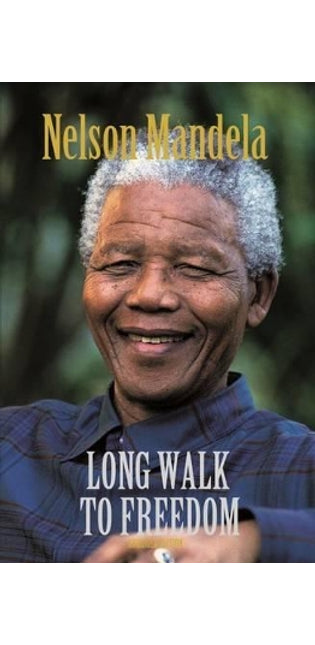
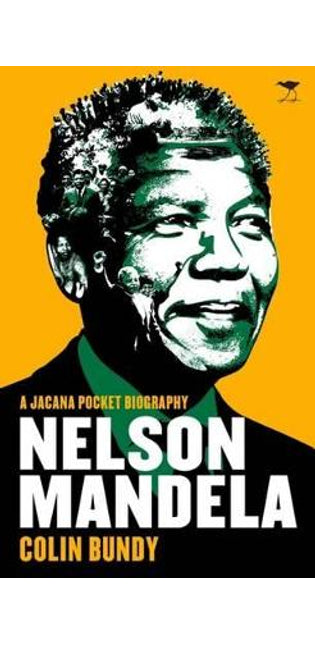
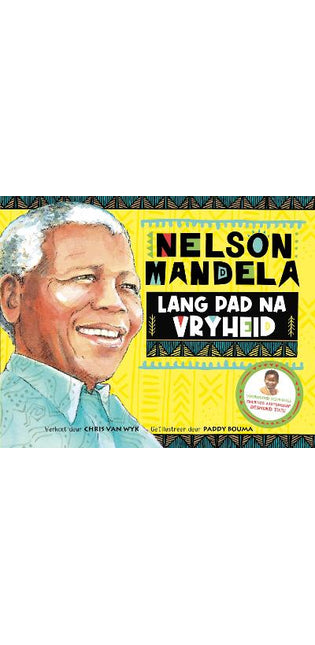
A sensitively abridged edition of the epic life story of Nelson Mandela. Follow his story of hardship, resilience and ultimate triumph from the dramatic years underground and his time in prison to his release in 1991 and being sworn in as the country's first democratically elected president on 10 May 1994.
R 280.00
R 370.00
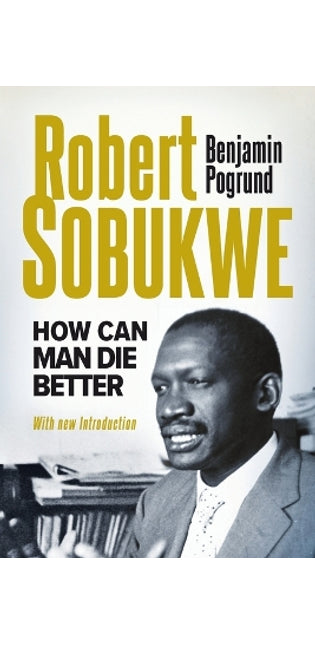
On 21 March 1960, Robert Mangaliso Sobukwe led a mass defiance of South Africa’s pass laws. He urged blacks to go to the nearest police station and demand arrest. Police opened fire on a peaceful crowd in the township of Sharpeville and killed 69 people. The protest changed the course of South Africa’s history. Afrikaner rule stiffened and black resistance went underground. Sobukwe, leader of the Pan-Africanist Congress, was jailed for three years for incitement. At the end of his sentence the government, fearful of his power, rushed the so-called ‘Sobukwe Clause’ through Parliament, to keep him in prison without a trial. For the next six years, Sobukwe was kept in solitary confinement on Robben Island. On his release, Sobukwe was banished to the town of Kimberley with very severe restrictions on his freedom. He died there nine years later in February 1978. This book is the story of this South African hero – the lonely prisoner on Robben Island. It is also the story of the friendship between Robert Sobukwe and Benjamin Pogrund whose joint experiences and debates chart the course of a tyrannous regime and the growth of black resistance.
R 350.00
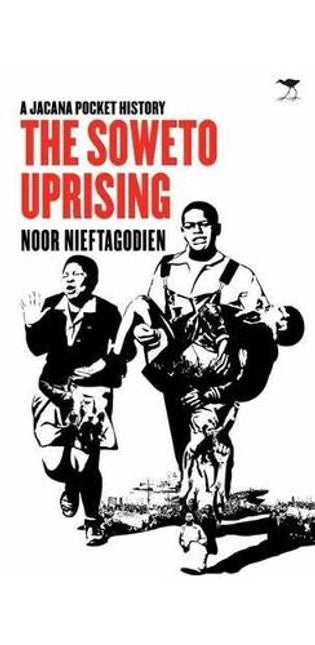
The 1976 Soweto uprising represented a real turning point in South Africa’s history. Even to contemporaries it seemed to mark the beginning of the end of apartheid. It also brought into the political equation the role of youth, who were to play a vital role in the township revolts of the 1980s. What commenced as a peaceful and coordinated demonstration rapidly turned into a violent protest when police opened fire on students. Orlando West, the centre of the confrontation on the day, was transformed into a space of political contestation. For the first time, students claimed the streets and schools as their own. Soweto parents were shocked by these events, revealing an important generational divide. Thereafter, forging student and parent unity became a central objective of the liberation movement. This short history brings alive the sequence of events and delves into the significance the uprising had on South African politics.
R 202.00
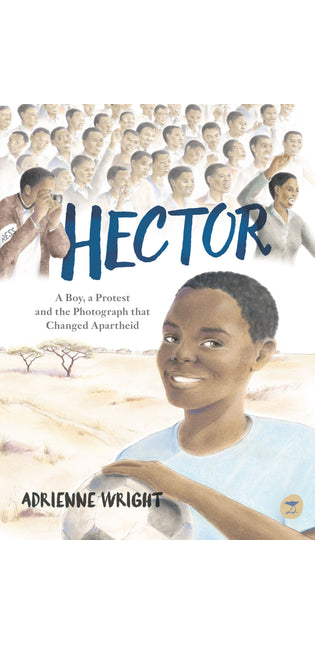
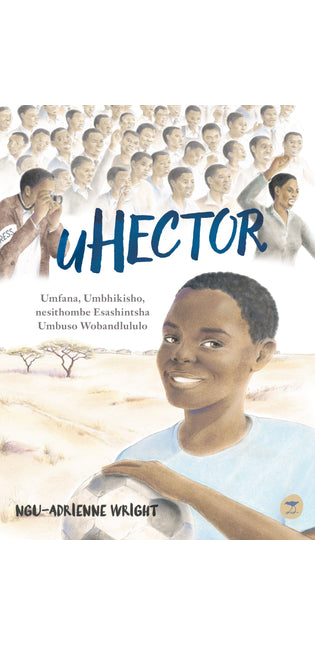
On June 16, 1976, Hector Pieterson, an ordinary boy, lost his life after getting caught up in what was supposed to be a peaceful protest. Black South African students were marching against a new law requiring that they be taught half of their subjects in Afrikaans, the language of the white government. The story’s events unfold from the perspectives of Hector, his sister, and the photographer who captured their photo in the chaos. This book can serve as a pertinent tool for adults discussing global history and race relations with children. Its graphic novel style and mixed media art portray the vibrancy and grit of Hector’s daily life and untimely death. With powerful sequential art, debut author-illustrator Adrienne Wright tells Hector Pieterson’s story and recounts the heartbreaking events that woke up the world and helped lead to the end of South Africa’s apartheid
R 202.00
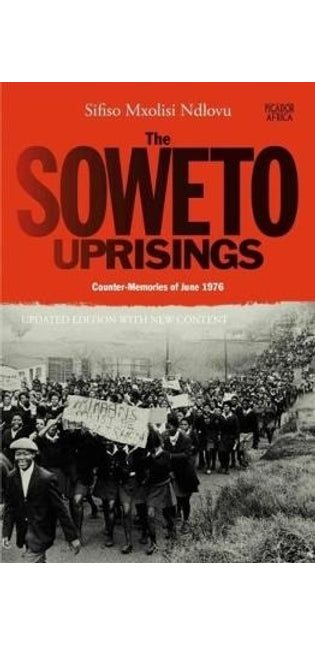
When the Soweto uprisings of June 1976 took place, Sifiso Mxolisi Ndlovu, the author of this book, was a 14-year-old pupil at Phefeni Junior Secondary School. With his classmates, he was among the active participants in the protest action against the use of Afrikaans as a medium of instruction. Contrary to the generally accepted views, both that the uprisings were 'spontaneous' and that there were bigger political players and student organisations behind the uprisings, Sifiso's book shows that this was not the case. Using newspaper articles, interviews with former fellow pupils and through his own personal account, Sifiso provides us with a 'counter-memory' of the momentous events of that time. This is an updated version of the book first published by Ravan Press in 1998. New material has been added, including an introduction to the new edition, as well as two new chapters analysing the historiography of the uprisings as well as reflecting on memory and commemoration as social, cultural and historical projects.
R 260.00
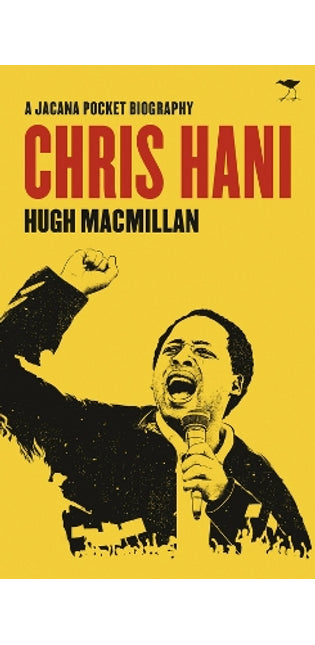
Chris Hani is one of the most iconic black leaders in South Africa’s recent history. His assassination in 1993 by far-right wingers threatened to upset the negotiations process and required Mandela’s televised address to the nation to calm tempers. This short biography brings out his role in MK and in the politics of the early 1990s, and is written by a distinguished historian who met Hani in exile in Lusaka.
R 202.00
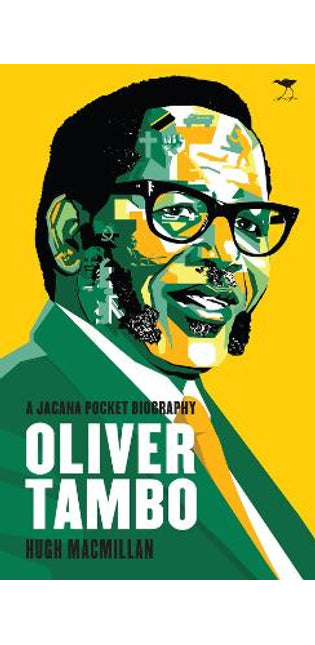
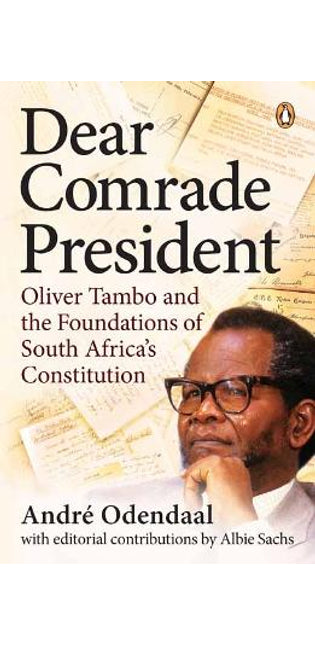
Born in Pondoland in 1917, Oliver Tambo cut his political teeth in the ANC Youth League. This book traces his role as a leader of the legal ANC through the Defiance Campaign, the Congress of the People and the Treason Trial, and his evolution from militant 'Africanism' towards acceptance of the idea of the ANC as open to people of different racial groups and political persuasions. The book also traces his role from the aftermath of Sharpeville in 1960 as, for 30 years, the pre-eminent leader of the ANC in exile in London, Tanzania and Zambia. It shows how, placing himself at the political centre of the organisation, he held the ANC together through great difficulties, managing its relations with African states and great powers, and steering it towards the negotiated end of apartheid. The book analyses the sources of Tambo's strength as a leader, emphasizing his integrity and commitment to democracy, and the importance to him of religion, music and family.
R 202.00
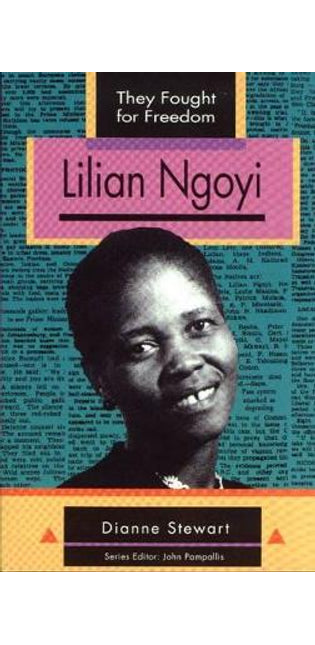
They Fought for Freedom tells the life stories of southern African leaders who struggled for freedom and justice. In spite of the important roles they played in the history of southern Africa, most of these leaders have been largely ignored by the history books. The series tells their stories in an entertaining manner, in clear language and aims to restore them to their rightful place in history.
R 160.00

R 485.00
R 435.00
R 330.00
R 165.00
R 330.00
R 425.00
R 435.00
R 230.00
R 167.00
R 305.00
R 202.00
R 167.00
R 202.00
R 202.00
R 202.00
R 202.00
R 202.00
R 195.00
R 202.00
R 202.00
R 202.00
R 202.00
R 202.00
R 202.00
R 202.00

R 202.00
R 195.00
R 202.00
R 202.00

R 260.00

R 187.00
R 157.00
R 202.00
R 185.00
R 167.00
R 167.00
R 230.00
R 240.00
R 240.00

R 145.00
R 230.00
R 145.00
R 230.00

R 167.00

R 145.00
R 140.00
R 145.00
R 145.00

R 145.00

R 145.00

R 145.00
R 145.00
R 230.00

R 187.00
R 187.00
R 260.00

R 167.00

R 230.00

R 187.00
R 187.00

R 167.00

R 145.00
R 180.00
R 404.00

R 220.00

R 210.00
R 145.00

R 180.00
R 187.00
R 180.00

R 135.00

R 187.00

R 187.00
R 280.00

R 230.00
R 230.00
R 250.00
R 305.00
R 305.00